

Who Is Kayoko Ohtani?
Her identity beyond being Shohei’s mother
Most people know her name only because of her son. That is both fair and a little unfair. Kayoko Ohtani is the mother of MLB superstar Shohei Ohtani, but calling her just that is like calling a coach just a sideline observer. She was a national-level badminton player in Japan. She raised three athletic children in a small city called Ōshū. She helped shape one of the most unique athletes in the history of professional baseball. Her identity runs much deeper than a family connection.
Kayoko grew up, married, and built her entire life in Ōshū, Iwate Prefecture, a quiet city in northeastern Japan. She is not a public figure in any conventional sense. No social media. No interviews. No spotlight-chasing. And yet, the more you look at Shohei Ohtani’s personality, discipline, and values, the more clearly you see her fingerprints all over it.
Why she matters in the world of MLB
Baseball fans love stats and drafts and contracts. But the real story of elite athletes almost always starts at home, long before any scout shows up. Kayoko matters because she was the first environment Shohei ever knew. She set the temperature of his childhood: disciplined but not cold, structured but not rigid. The result? A two-way MLB player who pitches at 100 mph and hits 50 home runs in the same season and still seems genuinely humble doing it. That does not happen by accident.
Kayoko Ohtani Age, Height, and Quick Bio Table
How old is Kayoko Ohtani in 2026?
Kayoko Ohtani’s exact date of birth has never been officially confirmed. Based on publicly available details about her husband Toru Ohtani and the birth of her children, she is estimated to be in her late 50s or early 60s as of 2026. Shohei was born in July 1994, and Japanese women typically have their first child in their mid-to-late 20s, which places Kayoko’s birth year somewhere around 1963 to 1967. She has never publicly stated her age, which is very much in keeping with her private nature.
Kayoko Ohtani height and physical appearance
Kayoko Ohtani’s height is reported to be approximately 5 feet 8 inches, or around 173 centimeters. That is notably tall for a Japanese woman of her generation. Her athletic build is not surprising given her background as a competitive badminton player. In the rare photos where she has appeared at public events, she carries herself with the quiet confidence of someone who spent years as a serious athlete.
Full bio table: name, nationality, hometown, spouse, children
| Detail | Information |
|---|---|
| Full Name | Kayoko Ohtani |
| Nationality | Japanese |
| Hometown | Ōshū, Iwate Prefecture, Japan |
| Estimated Birth Year | Approx. 1963–1967 |
| Height | Approx. 5’8” (173 cm) |
| Spouse | Toru Ohtani |
| Children | Yuka Ohtani, Ryuta Ohtani, Shohei Ohtani |
| Athletic Background | National-level badminton player (high school & youth) |
| Known For | Mother of MLB star Shohei Ohtani; influential sports parent |
| Social Media | None, highly private |
| Current Residence | Ōshū, Iwate, Japan |
Early Life and Background of Kayoko Ohtani
Childhood in Ōshū and early influences
Kayoko grew up in Ōshū, a mid-sized city that most outsiders would never find on a tourist map. The city sits in Iwate Prefecture in the Tohoku region of Japan, an area known less for glamour and more for hard work, community loyalty, and a quiet pride in craft. These are not small things. The Tohoku region shaped a certain kind of Japanese character: perseverant, honest, and not particularly interested in showing off.
Growing up there meant Kayoko absorbed a worldview that valued effort over praise. She played sports from a young age and developed a serious interest in badminton during her school years. By the time she reached high school, she was competing at a national level, which in Japan is no casual achievement.
Education and formative years
Details about Kayoko’s formal education are not publicly available, which is typical for someone who has deliberately kept her private life private. What we do know is that her years as a competitive athlete shaped her understanding of training, mental focus, and the slow grind of improvement. These are lessons she would later pass on to her children in practical, day-to-day ways, not through lectures, but through how the household was run.
How her upbringing shaped her parenting style
Kayoko’s upbringing gave her something most sports parents simply do not have: first-hand experience of what it actually feels like to train hard, lose, adapt, and keep going. That experience made her a much more grounded parent. She was not projecting unfulfilled ambitions onto her children. She had lived the athlete’s life herself. She knew what helped and what hurt.
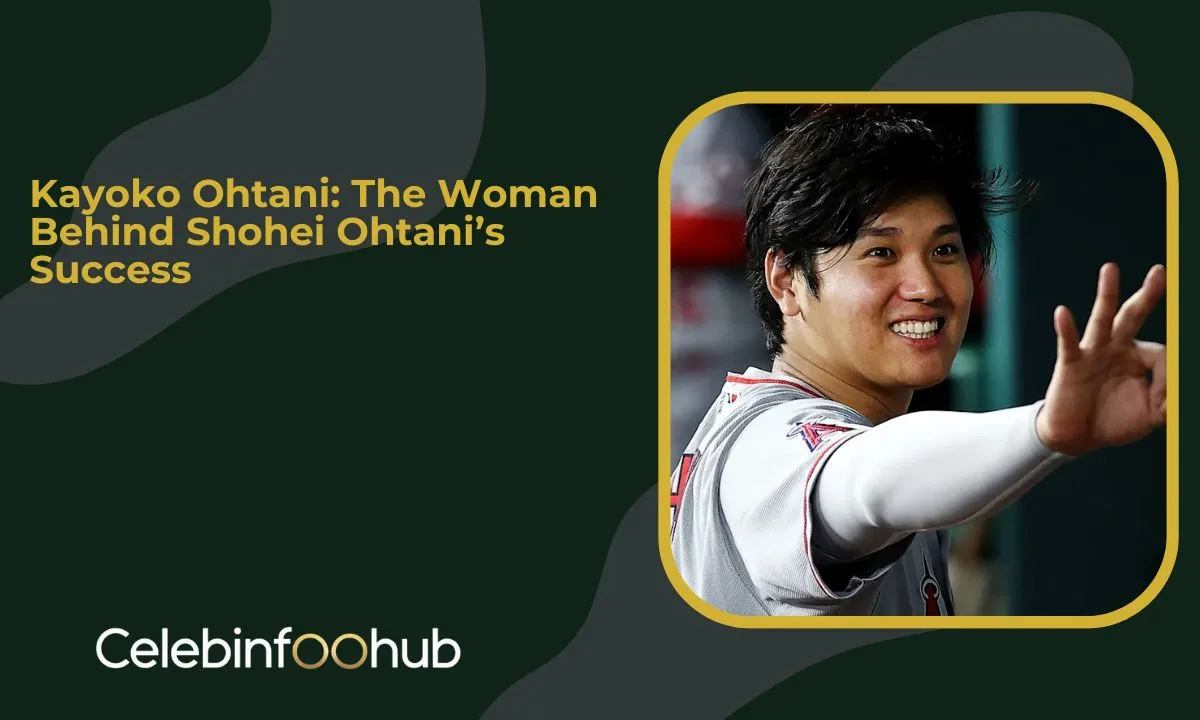
Kayoko Ohtani’s Parents: The Family That Raised a Champion’s Mother
What is known about her father and mother
Kayoko Ohtani’s parents have never been named or discussed in public sources. This is intentional. The entire Ohtani family, including the older generation, has stayed well outside media attention. What we can reasonably infer is that Kayoko was raised in a household that valued both athletic engagement and traditional Japanese family structure. Her own athletic achievements as a national-level badminton player suggest that sports participation was either encouraged or at least not discouraged at home.
Values passed from her parents to her children
There is a particular kind of parenting that does not announce itself. It operates through routine, through small corrections, through the way a family eats dinner together and talks. Whatever Kayoko received from her own parents, she passed something remarkably consistent down to her three children: discipline that does not feel oppressive, humility that does not feel false, and a drive that looks from the outside like talent but is really just sustained effort.
The generational chain: grandparents to Kayoko to Shohei
Shohei Ohtani has spoken in interviews about the values instilled by his parents. He often credits both his father Toru and his mother Kayoko. But the line of values does not start with them. It runs further back, through whatever environment shaped Kayoko herself. That generational continuity is part of why Shohei seems so settled and consistent in his character. These values were not invented for him. They were already old when he received them.
Ōshū City: The Cultural Roots Behind Kayoko’s Values
What makes Ōshū unique in Japanese baseball history
Ōshū is not a famous sports city by any stretch. But Shohei Ohtani changed that. Before him, the city was best known as the birthplace of Fujiwara no Sanekata, a Heian-era poet, and for its Chuson-ji temple complex. Baseball was always popular in the region; Iwate Prefecture has produced several NPB players over the decades, but Ōshū was not exactly a factory of professional athletes.
What Ōshū does have is a culture of quiet perseverance. The Tohoku region has faced natural disasters, economic challenges, and geographic isolation. The people who stay and build lives there tend to be deeply rooted, community-oriented, and comfortable with hard work that does not get applause. Kayoko Ohtani is a product of that culture, and she raised Shohei inside it.
Community values that shaped the Ohtani household
In Ōshū, there is no culture of individual celebrity in the way that exists in Tokyo or Osaka. The social pressure runs in a different direction: toward not standing out too much, toward contributing to the group, toward earning respect through work rather than performance. Kayoko absorbed this and built it into her family’s daily rhythm. It explains a lot about why Shohei, despite becoming the most famous baseball player on earth, still picks up trash in the dugout and bows to the mound.
Kayoko Ohtani’s Badminton Career: The Athlete Behind the Mother
When and where she competed in badminton
Kayoko Ohtani competed in badminton during her high school and early youth years in Japan. She reached a national competition level, which in Japan’s highly organized school sports system is a significant benchmark. Japanese high school sports federations run some of the most rigorous youth athletic programs in the world. Making it to national competition in any sport requires consistent commitment over years, not just raw ability, but structured training, mental control, and an ability to perform under pressure.
What national-level badminton means in Japan
To understand what this means, you have to understand Japanese school sports culture. At the high school level, students often train six days a week, sometimes twice a day. The competition system narrows through prefectural tournaments before reaching the national stage. Getting there means you have already beaten hundreds of other athletes. Kayoko did this. That is not a footnote. It is a meaningful part of who she is.
How her athletic background directly shaped Shohei’s training
Badminton requires exceptional hand-eye coordination, rapid footwork, explosive wrist mechanics, and an ability to read an opponent’s movement before it fully happens. These are, interestingly, the same physical and cognitive skills that make a great two-way baseball player. Kayoko understood, from her own body, what it felt like to develop coordination and reaction speed. She introduced Shohei to multiple sports early, including swimming and badminton alongside baseball, knowing the cross-training value from personal experience.
Lessons from badminton she applied to parenting
Anyone who has played competitive badminton knows that it punishes both over-aggression and passivity in equal measure. The game rewards patience, precision, and the ability to change tactics mid-rally. Kayoko brought that same balanced philosophy to parenting. She did not push relentlessly. She did not stand back completely. She read the situation: the child, the moment, the need, and adjusted. That is badminton thinking applied to a family.
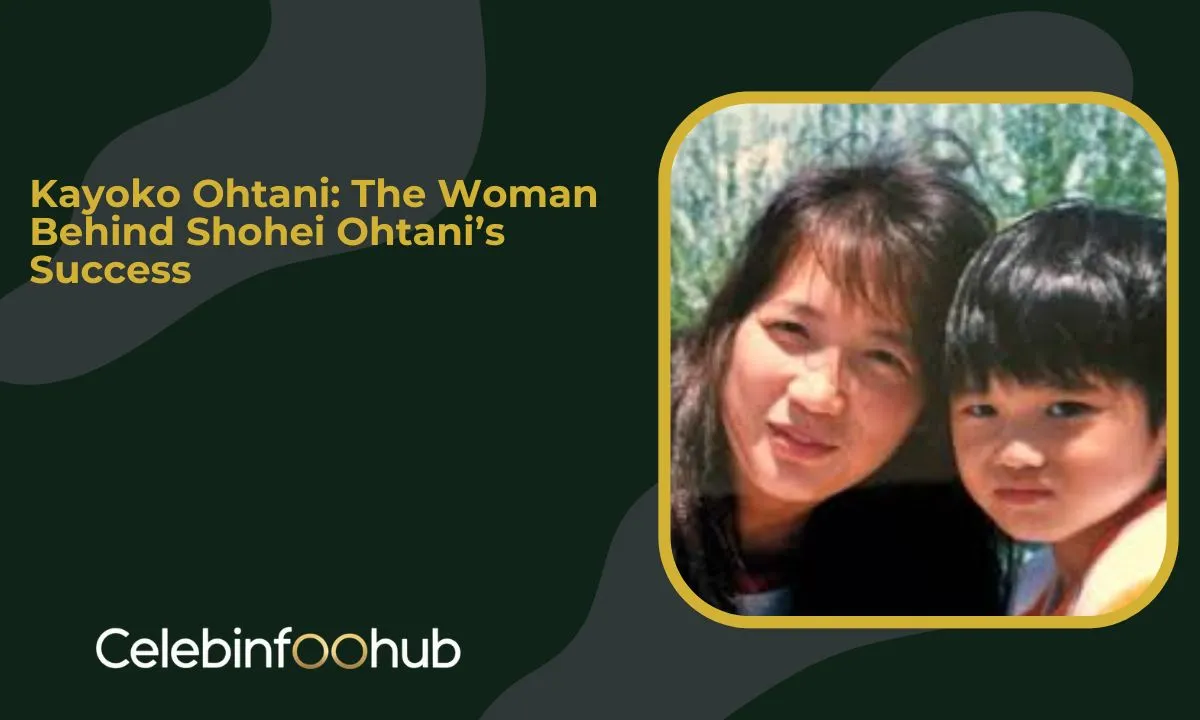
Toru Ohtani: Kayoko’s Husband and Co-Architect of Shohei’s Success
Who is Toru Ohtani, background and baseball role
Toru Ohtani played baseball as a young man at an amateur level in Japan. He never made it to professional baseball, but he knew the game deeply, understood its demands, and loved it enough to make it central to his family’s life. He worked for a manufacturing company in Ōshū while coaching the company’s amateur baseball team. It was through baseball that he connected with Shohei from an early age, playing catch, teaching mechanics, and sharing the game as a father-son bond.
Kayoko and Toru’s marriage and shared philosophy
Kayoko and Toru appear to share a fundamental alignment on how children should be raised: with structure, values, and room to grow into who they are. Neither of them seems to have pushed their children from ambition. Toru introduced baseball to the household. Kayoko provided the emotional and psychological scaffolding. It is a classic and effective division: technical expertise on one side, emotional intelligence on the other.
Their marriage has stayed entirely out of public view. No interviews, no featured profiles, no social media presence. They are, in the truest sense, private people who happen to have raised one of the most public athletes in the world.
How they divided roles: Toru as technical coach, Kayoko as emotional anchor
The way the Ohtani family operated was straightforward in structure, even if it was sophisticated in practice. Toru handled the baseball knowledge: drills, mechanics, game understanding. Kayoko handled everything else, the emotional climate of the home, the values framework, the balance between sports and the rest of life. This is not an unusual arrangement in Japanese sports families, but the Ohtanis executed it exceptionally well.
Their combined impact on Shohei’s two-way success
It is genuinely hard to imagine Shohei’s two-way career without both parents. His throwing mechanics and baseball IQ came from years of working with Toru. But his ability to handle pressure, stay grounded through injury and fame, and maintain the kind of consistent character that makes teammates love him, that came from the home environment Kayoko built. Both contributions were necessary. Neither was sufficient alone.
Family and Parenting Philosophy
Character over achievement, her core belief
Kayoko Ohtani’s parenting philosophy, as best as it can be understood from available information and Shohei’s own words and behavior, centers on one fundamental idea: character comes before achievement. This is not a platitude in her case. It appears to have been a lived practice. She did not organize the household around Shohei’s baseball success. She organized it around building a person who could handle success and failure with equal composure.
The evidence is Shohei himself. Athletes with far more privileged upbringings and far more professional coaching infrastructure have crumbled under far less pressure than Shohei navigates every single season. His groundedness is not natural talent. It is the result of years of consistent parenting.
Multi-sport development vs early specialization
Japan has a strong culture of early sports specialization, particularly in baseball. Many parents enroll their sons in baseball academies as young as five or six and keep them there exclusively for the next decade. Kayoko took a different approach. Shohei swam. He played badminton. He was exposed to multiple physical challenges before committing fully to baseball. This multi-sport background almost certainly contributed to his unusual athletic versatility as an adult.
Creating a home environment for elite athletes
Elite athletes do not grow in homes that are chaotic, unstable, or relentlessly high-pressure. They grow in homes where expectations are clear but kindness is also real. Kayoko built that kind of home. Routine mattered. Rest mattered. Dinner together mattered. The structure was not about producing a baseball player. It was about producing a functioning, grounded human being, who happened to also become a historic baseball player.
Kayoko vs the Typical “Baseball Mom” in Japan
The pressure culture in Japanese youth baseball
Japanese youth baseball culture has a reputation, earned frankly, for being extremely intense. Weekend tournaments, grueling practice schedules, parents screaming from the stands, coaches who mistake cruelty for discipline. The term “yakyu mama” (baseball mom) in Japan often describes mothers who sacrifice enormous amounts of time and energy running their son’s sports life: making elaborate bento lunches for games, managing equipment, driving to practices before dawn.
Why Kayoko chose emotional intelligence over pressure
Kayoko does not fit the typical yakyu mama mold, and that is actually a compliment. She was not running Shohei’s baseball life from the sidelines. She was running the values infrastructure that made him capable of handling his baseball life himself. There is a meaningful difference. She allowed Toru to be the baseball guide. She focused on the person, not the player. That restraint, knowing which role to play and which not to, is harder than it looks.
What other sports parents can learn from her approach
If Kayoko’s approach has a lesson for other parents, it is this: your job is not to optimize your child’s sports career. Your job is to build a person who can handle a sports career, and everything else that comes with life. The discipline, the humility, the resilience, the ability to fail without unraveling, those are the things worth working on. The rest tends to follow.
Kayoko Ohtani’s Parenting Style and Emotional Support
Emotional intelligence as a parenting tool
Kayoko Ohtani’s parenting style is best described as emotionally intelligent rather than strategically calculated. She did not appear to manage Shohei’s childhood like a project. She responded to him as a human being, reading his mood, his needs, his readiness. In Japanese parenting culture, this kind of attunement is valued but not always practiced consistently, especially in athletic households where achievement can quietly become the default emotional currency.
How she handled Shohei’s failures and setbacks
Every athlete loses. Every athlete goes through stretches of failure, injury, self-doubt, and the particular misery of giving everything and still coming up short. How a parent responds in those moments shapes a child’s relationship with failure for the rest of their life. From everything visible in Shohei’s career, his composure after bad games, his ability to bounce back from injury, his complete absence of self-pity, it is clear that failure was treated at home as information, not catastrophe.
Building mental resilience from childhood
Mental resilience does not develop in children who are always protected from difficulty. It develops in children who are allowed to face difficulty with support close by. Kayoko walked that line well. She was present and caring without being hovering or anxious. Shohei learned early that struggle was survivable, which is genuinely one of the most useful things any person can learn.
Japanese Values Kayoko Instilled: Ganbaru, Sunao, and Reigi Explained
Ganbaru, the art of persevering without giving up
Ganbaru is one of those Japanese concepts that loses something in translation. The closest English equivalent might be “do your best” or “persevere,” but ganbaru carries a specific emotional texture. It means continuing to try even when the effort feels pointless or the result uncertain. It is not blind stubbornness. It is a principled commitment to showing up and working, regardless of conditions. Kayoko modeled ganbaru and taught it to her children through the way she lived daily life.
In Shohei’s career, ganbaru shows up everywhere: in his 162-game seasons as both pitcher and designated hitter, in his return from Tommy John surgery, in his refusal to coast on natural talent. He earns every result. That is ganbaru in practice.
Sunao, honest and open-minded nature
Sunao is another value central to Kayoko’s household. It describes a kind of honest, unguarded openness, a willingness to learn, to be corrected, to see clearly without ego clouding the view. For an athlete, sunao is essential. Players who cannot honestly assess their weaknesses cannot improve them. Shohei’s famous dedication to reviewing his own mechanics, his openness to coaching adjustments, his coachability at every level of the game, this is sunao operating in professional baseball.
Reigi, respect as a daily practice
Reigi means respect and courtesy, but again, the Japanese understanding runs deeper than the English word suggests. Reigi is not just politeness. It is an ongoing acknowledgment of the people, traditions, and circumstances that made your life possible. Kayoko taught reigi through daily behavior: how to greet people, how to speak to elders, how to treat opponents after winning and after losing.
Shohei picking up trash at Dodger Stadium. Shohei bowing to opponents in the World Baseball Classic. Shohei thanking translators and groundskeepers by name. That is reigi. Kayoko planted it years before any camera was watching.
How these values appear in Shohei’s on-field behavior
Watch Shohei Ohtani closely over a full season and the values his mother instilled become almost visible. He does not showboat after home runs in the way some sluggers do. He does not make excuses after bad outings. He helps younger teammates. He shows genuine curiosity about the game rather than the performed enthusiasm of someone doing PR. These behavioral patterns do not come from an agent’s media training. They come from a childhood home in Ōshū, built largely by Kayoko.
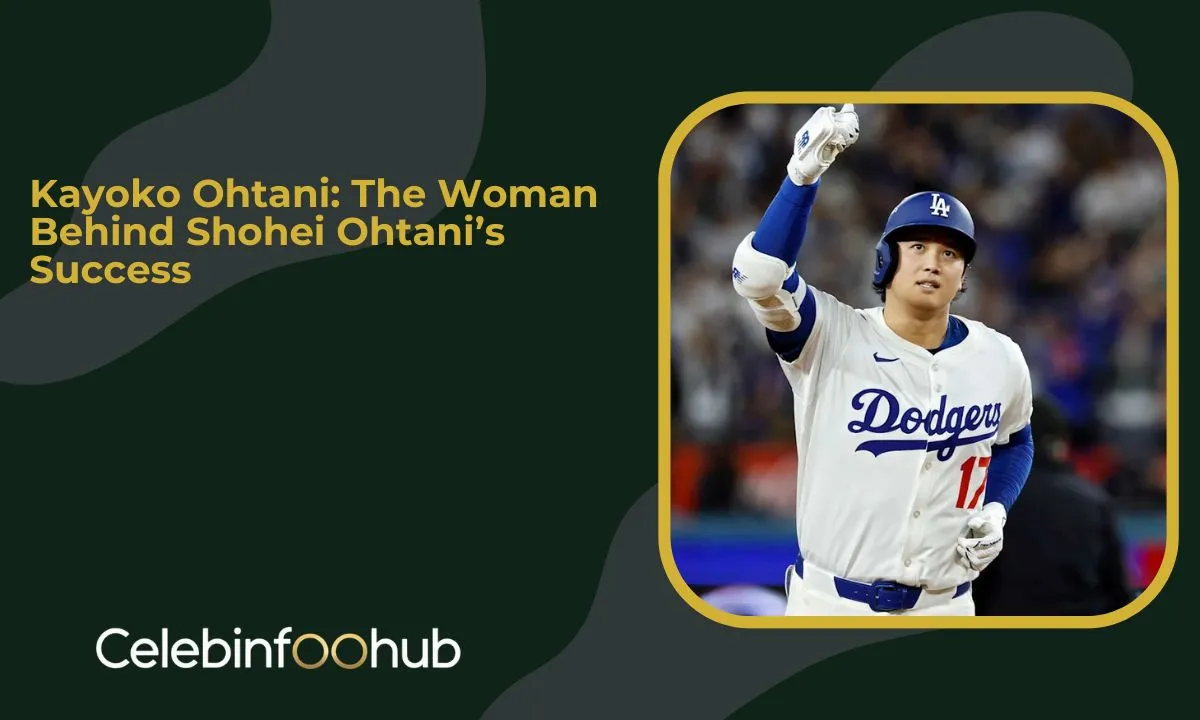
Role in Shohei Ohtani’s Baseball Career
Early childhood sports exposure and multi-sport training
Shohei Ohtani began playing baseball at age seven, but his physical education started much earlier. Kayoko introduced him to swimming as a young child, not as a sport to pursue seriously, but as a physical foundation. Swimming builds the kind of full-body coordination, breathing control, and shoulder flexibility that translates directly to both pitching and hitting. It is the kind of detail that shows how thoughtfully Kayoko approached her children’s physical development.
Alongside swimming, Kayoko’s own badminton background meant the household had equipment and knowledge related to racket sports. Shohei grew up in a physically active environment where different kinds of athletic movement were normalized. By the time baseball became his primary focus, he already had an unusually broad physical base.
Her role during Shohei’s high school baseball years
Shohei attended Hanamaki Higashi High School in Iwate, where he played under legendary coach Hiroshi Sasaki. His high school years were transformative. He went from a talented regional player to a nationally recognized pitching and hitting prospect. During this period, Kayoko’s role shifted from daily presence to remote support. She was not at every practice or game. But the values and habits she had already built into him were doing their work independently by then. Good parenting eventually becomes the child’s own voice.
Supporting the Nippon-Ham Fighters draft decision
When Shohei was draft-eligible in 2013, there was significant discussion about whether he should go directly to MLB or enter the NPB draft. The Hokkaido Nippon-Ham Fighters famously created a detailed presentation arguing that developing in Japan first would better prepare him for the two-way challenge. Shohei chose to stay in Japan. The Ohtani family’s support for that decision reflected their general approach: patient, long-term thinking over immediate gratification. Kayoko’s influence on that patient mindset is hard to overstate.
Kayoko’s Influence on Shohei’s Work Ethic
Daily discipline habits instilled from childhood
Work ethic is one of those qualities that people tend to attribute to genetics or innate drive, but it is mostly learned behavior. Kayoko built Shohei’s work ethic through the structure of daily life: regular sleep, consistent meals, homework before practice, finishing what you started. None of this is glamorous. But the unglamorous daily habits of childhood become the professional routines of elite adult athletes.
Shohei is famously meticulous about preparation. He studies opposing pitchers in extraordinary detail. He tracks his mechanics obsessively. He maintains routines with near-religious consistency. These habits did not appear spontaneously in a professional clubhouse. They were built over years in a household where structure and follow-through were normal.
Structured rest and recovery, balance she taught
One underappreciated aspect of Kayoko’s parenting is her emphasis on balance. Japanese sports culture can burn young athletes out through sheer volume of training. Kayoko understood, from her own athletic experience, that recovery is part of training. Rest is not laziness. Sleep is performance preparation. She protected Shohei’s rest as much as she encouraged his effort, and that balance is part of why he has maintained such extraordinary output over so many years without breaking down mentally.
Why Shohei never seems overwhelmed under pressure
The most visible outcome of Kayoko’s parenting might be Shohei’s calm. He pitches in playoff games without visible panic. He handles contract negotiations without ego spirals. He responds to slumps with adjustment rather than crisis. This emotional regulation, the ability to stay functional under serious pressure, is exactly what good childhood parenting builds. Kayoko built it.
Support During Critical Career Decisions
The decision to become a two-way player
The decision for Shohei to pursue pitching and hitting simultaneously was genuinely controversial in Japanese baseball. Most coaches and scouts believed it was either impossible or inadvisable at the professional level. Shohei believed otherwise, and the Ohtani family supported him. Kayoko’s parenting philosophy, trust the character you built, support the choices it makes, was operating here. She had raised a son who knew his own mind. She honored that.
Moving from Japan to MLB, emotional support through change
When Shohei left Japan for the Los Angeles Angels in 2018, he was moving to a country where he did not speak the language fluently, in a sport that would scrutinize his every at-bat and pitch, under media pressure that was genuinely unlike anything he had faced before. Kayoko stayed in Japan. Her physical presence was removed. But the values and the stability she had built into him traveled with him, and they proved to be more durable than proximity.
How she guided without controlling
Perhaps the most sophisticated thing about Kayoko’s parenting is what she chose not to do. She did not insert herself into his career decisions. She did not hire advisors or manage his choices. She did not make her approval conditional on specific outcomes. She raised a son capable of making good decisions, then stepped back and let him make them. That restraint, the ability to build someone well enough to let them go, is its own form of excellence.
Kayoko During Shohei’s Tommy John Surgery (2023): A Mother’s Strength
What Tommy John surgery meant for Shohei’s career
In August 2023, during what had been a historic season, Shohei was deep in the AL MVP race and had just won the Home Run Derby, when he was diagnosed with a torn UCL and required Tommy John surgery. For any pitcher, this is a career-altering moment. For a two-way player whose entire identity is built on doing both things simultaneously, it was a genuine existential challenge. He would miss all of the 2024 season as a pitcher.
Kayoko’s emotional presence during recovery
The specifics of Kayoko’s involvement during Shohei’s surgery and recovery are private. She did not appear in press conferences or give interviews. But the outcome, Shohei’s extraordinary psychological composure throughout the entire experience, his clear-eyed communication with the Dodgers, his seamless return to pitching in 2025, speaks to a support system that was working. People who fall apart during major career setbacks usually lack the emotional infrastructure to hold them together. Shohei had that infrastructure. Kayoko built most of it.
How her past athlete experience helped him mentally
Kayoko has been injured as an athlete. She has experienced the particular frustration of a body that will not cooperate with what the mind wants to do. She understands the mental game of recovery: the impatience, the fear of permanent decline, the need to trust a process that feels impossibly slow. Whatever conversations she had with Shohei during his recovery, she was speaking from experience, not from theory. That credibility matters enormously.
Kayoko and the $700 Million Dodgers Deal: Family Behind the Decision
The scale of Shohei’s Dodgers contract explained
In December 2023, Shohei Ohtani signed with the Los Angeles Dodgers for $700 million over ten years, the largest contract in professional sports history. The deal was structured with $680 million deferred, meaning Shohei would receive most of his money after the contract ended, a choice that reflected remarkable financial discipline and long-term thinking. It also reflected the values of a man raised in a household that never measured worth in money.
How the Ohtani family processed this milestone together
The Ohtani family’s public reaction to the contract was characteristically quiet. No celebration videos. No ostentatious displays. Shohei spoke about wanting to win championships and continue competing at the highest level. The focus stayed on baseball. This response, treating historic wealth as a tool for continuing great work rather than a destination in itself, is exactly what you would expect from someone raised by Kayoko Ohtani.
Kayoko’s pride and continued role after the deal
Kayoko remains in Ōshū, living the same quiet life she always has. The $700 million contract did not change her public profile or pull her toward the spotlight. If anything, her continued absence from public life after such a seismic moment makes the point better than any interview could: she was never in this for recognition. She raised a son she believed in, and he became what she believed he could become. The work was done long before the contract was signed.
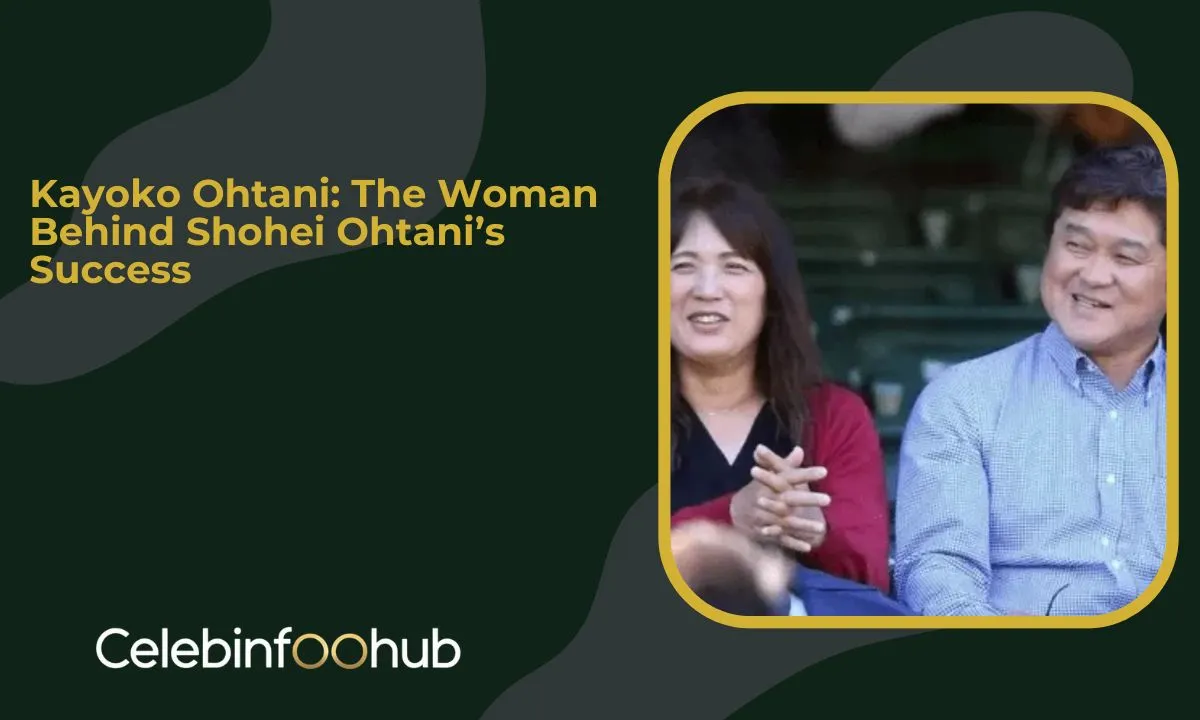
Yuka Ohtani: Kayoko’s Daughter and the Family’s Quiet Achiever
Who is Yuka Ohtani, background and current life
Yuka Ohtani is Kayoko’s eldest child and Shohei’s older sister. She has maintained an extremely private life and is not a public figure in any significant way. Her name appears occasionally in profiles of the Ohtani family, but almost no specific details about her education, career, or current life have been published. She appears to have inherited the family’s general preference for privacy.
Her athletic background under Kayoko’s parenting
Given that both her parents were athletes, Toru in amateur baseball and Kayoko in competitive badminton, and that both her brothers pursued sports seriously, it is reasonable to assume that Yuka grew up in an actively athletic household. Whether she competed at any serious level is not publicly documented. What is documented is the family’s overall orientation toward physical activity, discipline, and effort: values Kayoko applied to all three children equally.
Yuka and Shohei’s sibling relationship
Shohei has mentioned his sister in interviews occasionally, always with warmth. The Ohtani siblings appear close, even at great geographic distance. Shohei left for MLB in the United States while Yuka and Ryuta remained in Japan. The family’s emotional bonds appear durable, which again says something about the kind of home Kayoko built. Strong sibling relationships do not maintain themselves across distance without a foundation of genuine closeness established in childhood.
Ryuta Ohtani: Shohei’s Brother and the Third Athletic Child
Ryuta’s baseball journey and achievements
Ryuta Ohtani is Shohei’s older brother and a baseball player himself. He played baseball during his school years in Japan and pursued the game at a competitive level, though he did not advance to the professional ranks. Growing up as the elder brother of Shohei Ohtani was not a small thing. His younger brother would eventually become the most famous Japanese baseball player in history. Ryuta’s story, though less documented, is its own testament to the athletic household Kayoko and Toru created.
How Kayoko parented Ryuta differently from Shohei
This is perhaps the most interesting parenting question in the whole Ohtani story. Ryuta and Shohei grew up in the same house, with the same parents, eating the same dinners. One became a historic MLB star. The other did not make professional baseball. Does that mean Kayoko failed with Ryuta? Absolutely not. The goal was never to produce professional athletes. The goal was to produce good people with strong character. Ryuta, by all available evidence, is exactly that.
Shohei Ohtani’s Wife Mamiko Tanaka: How Kayoko Welcomed Her New Family Member
Who is Mamiko Tanaka, background and story
In February 2024, Shohei Ohtani announced during Dodgers spring training that he had married. His wife, later identified as Mamiko Tanaka, is a former professional basketball player who played for the Japan national women’s basketball team. She is tall, athletic, accomplished, and deeply private, much like the family she married into. The announcement came as a surprise to the baseball world, partly because Shohei had kept the relationship entirely out of public view.
Kayoko’s reaction to Shohei’s marriage announcement
Kayoko’s reaction to the marriage has never been reported directly. She gave no interviews. But reading between the lines, it seems unlikely that Kayoko was surprised, or that she was anything other than happy. Mamiko Tanaka is a serious athlete with a strong character and zero interest in celebrity culture. She is, in many ways, exactly the kind of person you would expect Kayoko Ohtani to admire and welcome into her family.
There is something quietly poetic about Shohei choosing a partner who shares so many qualities with his mother: athletic, grounded, private, substance over spectacle. The apple did not fall far.
The expanding Ohtani family circle
With Shohei’s marriage and the couple’s subsequent pregnancy, announced in late 2024, the Ohtani family has grown. Kayoko, who spent decades building her family with quiet dedication, is now a grandmother. The same values she passed to her children, ganbaru, sunao, reigi, will presumably travel another generation. That is, when you think about it, the whole point.
Family Values and Cultural Influence
Tradition and modernity, balancing both in the Ohtani home
The Ohtani household was not stuck in the past, but it was deeply informed by it. Kayoko balanced traditional Japanese family values with a modern understanding of child development and athletic science. She knew what ganbaru and reigi meant in classical Japanese culture. She also knew, from her own sports experience, what modern training science had to say about recovery and psychological preparation. The synthesis of these two things, deep tradition plus practical modernity, is one of the reasons the household worked so well.
Sports as a vehicle for teaching life lessons
Kayoko used sports not as an end in itself but as a teaching environment. Sport is one of the most effective classrooms humans have ever invented. It is fast, concrete, and unforgiving about the gap between what you think you can do and what you actually can do. In that environment, lessons about honesty, effort, teamwork, and handling failure land with a clarity they rarely achieve in a conventional classroom. Kayoko understood this and used it.
Educational Guidance and Moral Development
Balancing schoolwork with intense sports training
Japanese schools are demanding. Japanese youth sports programs are demanding. Running both simultaneously requires a child who is organized, disciplined, and has enough sleep to think clearly. Kayoko built that infrastructure. Homework happened before practice. Rest was protected. The balance was enforced not through constant monitoring but through consistent household expectations that Shohei and his siblings internalized over time.
Moral lessons she taught through everyday life
The most effective moral education does not happen in lectures. It happens in how a household reacts to daily events: how parents respond to news about a neighbor, how they treat the person delivering their mail, whether they follow through on small promises, whether they acknowledge mistakes. Kayoko’s moral teaching operated at this level. The lessons were embedded in the texture of daily life, not delivered as sermons.
Empathy and respect as non-negotiable values
If there is one behavior of Shohei’s that consistently surprises Western observers, it is his genuine warmth toward people outside his immediate circle. He remembers names. He acknowledges contributions. He treats people at every level of the baseball hierarchy with the same basic courtesy. That kind of consistent empathy does not come from media training. It comes from a mother who made it clear, from early childhood, that how you treat other people is not optional.
What Shohei Ohtani Has Said About His Mother: Real Quotes
Quotes from press conferences and interviews
Shohei has spoken about his parents with consistent warmth across interviews over the years. In various Japanese-language interviews and press appearances, he has credited both his mother and father for instilling in him the values of hard work and respect. He has described his mother as someone who provided emotional stability and who always emphasized the importance of treating others well. When asked what motivates him to work so hard, he has pointed to the habits formed in his childhood home, not to personal ambition or financial incentive.
In one particularly memorable exchange during his early NPB career, Shohei noted that his mother never once told him he had to be great. She told him he had to be good, as a person. The baseball part was his choice. The character part was not optional.
What his words reveal about their relationship
Reading Shohei’s public comments about his mother, what stands out is the absence of pressure in his description of childhood. He does not describe a household where failure was punished or success was demanded. He describes a home where effort was honored and character was the standard. That description, from a man who has achieved more than almost any athlete alive, tells you more about Kayoko Ohtani than any biography could.
Kayoko Ohtani Net Worth: Is There One?
Why Kayoko has no public net worth
Kayoko Ohtani does not have a public net worth because she is not a public figure, an entertainer, an executive, or a business person. She is a private individual who lives a private life in Ōshū, Japan.
She has no known income streams from public-facing activities, no brand deals, no media appearances, no products. Any website claiming to list Kayoko Ohtani’s net worth is estimating or fabricating.
The honest answer is: it is not publicly known, and it is likely modest by the standards of global celebrity culture.
Shohei’s $700M wealth and family financial context
Shohei Ohtani’s $700 million Dodgers contract, the largest in sports history, obviously places the broader Ohtani family in a radically different financial position than the average Ōshū household.
Whether and how Shohei supports his parents financially is entirely private. What is clear is that Kayoko’s lifestyle has not visibly changed. She still lives in the same city. She still avoids public attention.
She is not flying to Los Angeles to attend Dodger games or appearing at sponsorship events. The money exists somewhere in Shohei’s world. Kayoko occupies a different world, by choice.
Her real wealth: influence, legacy, and values
Kayoko Ohtani’s most significant wealth is not financial. It is the fact that she raised a son who is, by every observable measure, an exceptional human being, not just an exceptional athlete.
The discipline, the humility, the work ethic, the values, the relationships, the legacy, all of that began in her kitchen and her living room and her daily decisions as a parent.
That is the inheritance she leaves. It will outlast any contract.
Balancing Personal Life and Career
Managing household while Shohei trained daily
During Shohei’s high school and early professional years, the daily logistics of an athletic household fell heavily on Kayoko. Toru was working and coaching. Shohei was training. Ryuta was competing. Yuka was living her own life. Kayoko kept the household functional: meals, schedules, emotional availability, and the thousand small decisions that keep a family running. This is not glamorous work. It is essential work. And she did it while also serving as Shohei’s primary emotional guide.
Preventing burnout, how she protected Shohei’s joy for the game
Burnout in young athletes is real and common. It is almost always caused by adults, coaches and parents, who mistake enthusiasm for inexhaustibility and push past healthy limits. Kayoko’s experience as an athlete made her alert to this risk. She made sure Shohei played, not just practiced. She kept space in his life for things that had nothing to do with baseball. That protection of his joy, his genuine love of the game, is part of why he is still playing with visible enthusiasm at thirty years old.
Public Appearances and Media Profile
Notable public moments, where she appeared
Kayoko Ohtani has appeared publicly at a small number of significant moments in Shohei’s career. She attended his draft ceremony when the Hokkaido Nippon-Ham Fighters selected him in 2013. She was present at key family celebrations during his NPB years. Reports from the 2023 World Baseball Classic, in which Japan won the tournament and Shohei was the tournament MVP, suggested that family members including his parents were part of the celebrations, though Kayoko maintained her characteristic low profile even in that historic moment.
Her approach to media and cameras
When Kayoko has appeared in public, she is typically at the edge of the frame, not the center. She does not pose. She does not seek attention. In the rare photos where she appears, she looks like a woman who would rather be somewhere less public. That consistency, the same private nature at a World Baseball Classic victory celebration as in ordinary life, is either remarkable self-discipline or just who she genuinely is. Based on everything else known about her, it is almost certainly the latter.
Privacy as a conscious cultural choice
Privacy in Japan, particularly for family members of famous people, is both a cultural expectation and a personal right that the media generally honors more than it does in Western celebrity culture. Kayoko benefits from this cultural context, but she also actively reinforces it. She does not give interviews to Japanese media any more than she gives them to American media. The privacy is not passive. It is chosen.
Personal Life and Privacy
Daily life in Ōshū away from the spotlight
Kayoko Ohtani’s daily life in Ōshū is, by all available evidence, completely ordinary in the best possible way. She lives with Toru in the city where she has spent her whole life. She does not appear in restaurants seeking to be recognized or at events trying to leverage her son’s fame. Ōshū is a community where she is known as herself: a neighbor, a former badminton player, a member of the community, rather than as “Shohei Ohtani’s mother.” That distinction matters to her, visibly.
Why she avoids social media entirely
Kayoko’s complete absence from social media is not unusual for a Japanese woman of her generation in a small city. But it is also clearly a values-aligned choice. Social media rewards attention-seeking, performance of self, and constant visibility. None of those things align with anything we know about Kayoko Ohtani. She is not performing herself for an audience. She is simply living. The platform has nothing to offer someone with her values.
Recognition in Media and Fan Communities
How Japanese media portrays her
In Japanese sports media, Kayoko Ohtani is treated with the kind of respectful distance that Japanese journalism extends to private family members of public figures. She is mentioned in biographies and profiles of Shohei, credited with his foundational values, and then left alone. Japanese sports journalists understand that pursuing her for comment would be both unwelcome and counterproductive. She is part of the story. She is not the story itself, and everyone involved seems comfortable with that arrangement.
International fan community recognition
Among international Shohei Ohtani fans, a community that spans Japan, the United States, South Korea, Taiwan, and increasingly the rest of the world, Kayoko occupies a particular place of quiet reverence. Fans who have read deeply about Shohei’s background understand that his character did not emerge from a vacuum. Articles and fan forums regularly credit Kayoko with the human qualities that make Shohei admirable beyond his statistics.
Mother’s Day features and tributes worldwide
In Japan and increasingly in the American baseball media, Mother’s Day features about Shohei Ohtani reliably circle back to Kayoko. She is a natural anchor for stories about the human foundations of athletic greatness. The fact that she never participates in these stories, never grants the interview, never poses for the photo spread, somehow makes them more powerful rather than less.
Legacy and Recognition
What she represents for parents of aspiring athletes
Kayoko Ohtani’s story has become, for many parents of young athletes, something of a quiet model. Not the obsessive sports parent who lives through their child. Not the disengaged parent who misses the importance of daily involvement. Something in between, and in many ways harder to execute than either extreme. She was present without being controlling. She was demanding without being cruel. She built character while also building an athlete.
The Ohtani family legacy in Japanese baseball history
The Ohtani family’s contribution to Japanese baseball goes beyond Shohei’s statistics. They demonstrated that a player from a small city in Iwate Prefecture, raised on traditional values in an ordinary household, could become the greatest two-way player in the history of the game. That is a story about possibility. It challenges the assumption that elite athletes require elite resources, expensive academies, or metropolitan advantages. They require the right home. Kayoko built the right home.
Why her story will outlast Shohei’s playing career
Shohei Ohtani will retire one day. His records may stand for decades or eventually be broken. But the story of how he was made, the quiet city, the badminton-playing mother, the household built on ganbaru and reigi and sunao, that story has a different kind of permanence. It is a story about parenting done right. Those stories do not age. They travel across generations and remind people what is actually important, which is usually not what gets the most attention.
Frequently Asked Questions About Kayoko Ohtani

Rizwan Sultan is a content writer with 4 years of experience covering USA celebrities’ net worth and biographies. He specializes in clear, research-driven profiles and currently contributes engaging, accurate content to CelebInfoHub, helping readers understand the stories behind fame and financial success.