

Quick Facts: Peter Orszag at a Glance (2026)
| Full Name | Peter Richard Orszag |
| Date of Birth | December 16, 1968 |
| Age (2026) | 57 years old |
| Birthplace | Boston, Massachusetts, USA |
| Nationality | American |
| Ethnicity | Jewish-American (Hungarian-Jewish heritage) |
| Religion | Jewish |
| Education | Princeton University (B.A.), London School of Economics (Ph.D.) |
| Profession | Economist, Investment Banker, Policy Advisor |
| Current Role | CEO, Lazard |
| Net Worth (2026) | Estimated $65-80 million |
| Annual Salary | Estimated $15-20 million (Lazard CEO) |
| First Wife | Cameron Hamill (m. 2001, div. 2006) |
| Current Wife | Bianna Golodryga (m. 2010) |
| Children | 5 (from both relationships) |
| Hair Status | Naturally thinning – not bald, not a wig |
Who Is Peter Orszag? Background, Family & Identity
Peter Orszag is the kind of person Washington DC produces once in a generation – a genuine policy intellectual who actually understands the numbers behind the politics. He’s not a politician who learned some economics. He’s an economist who learned how Washington works, and that distinction matters enormously.
Born on December 16, 1968, in Boston, Massachusetts, Orszag grew up in a family that valued education and public service. His upbringing in New England shaped both his analytical disposition and his instinct for policy work. By the time he left for Princeton, it was clear he was headed somewhere important.
Is Peter Orszag Hungarian? Ethnicity and Heritage Explained
This question pops up more than you’d expect. The surname “Orszag” has distinctly Hungarian-Jewish roots – ország literally means “country” in Hungarian. His family heritage traces back to Eastern European Jewish immigrants, which puts him squarely in a long tradition of American economists and policymakers with similar backgrounds.
So yes, there is Hungarian lineage there. But Peter Orszag is thoroughly American – born, raised, and educated in the United States. The name carries history, but the man is very much a product of Boston and Princeton.
Peter Orszag’s Religion – What Faith Does He Follow?
Peter Orszag is Jewish. His faith is part of his identity, though he has never been particularly public about the role religion plays in his daily life. Like many secular Jewish intellectuals in the American policy world, his cultural and ethnic identity is more visible than his religious observance. His family heritage, community ties, and the broader cultural lens through which he approaches public policy all reflect that background.
Why His Public Visibility Made Every Personal Detail Searchable
When you sit across from the President of the United States in the Oval Office and control a $3.5 trillion federal budget, people get curious about you. Every detail – your education, your salary, your kids, your hair – suddenly feels relevant. Orszag’s time as Obama’s budget director made him one of the most photographed economists in American history. That visibility stuck.
Peter Orszag Education & Career Journey
Princeton to London School of Economics – Academic Foundation
Before Princeton, Orszag attended Phillips Exeter Academy, one of America’s most prestigious preparatory schools, graduating with high honors in 1987. His undergraduate senior thesis at Princeton examined congressional oversight of the Federal Reserve, an early signal of the fiscal policy focus that would define his entire career. After graduating from Princeton summa cum laude in 1991, he was awarded a Marshall Scholarship (1991-1992), taking him across the Atlantic to the London School of Economics where he completed his M.Sc. before returning to earn his Ph.D. in economics in 1997.
Orszag graduated from Princeton University with a B.A. in economics in 1991. He then crossed the Atlantic to the London School of Economics, where he earned his Ph.D. in economics. That combination – Princeton’s rigorous quantitative training plus LSE’s global policy perspective – gave him exactly the toolkit he’d need for the decades ahead.
After his doctorate, he joined the Council of Economic Advisers under President Clinton, which was his first real taste of Washington. He was in his twenties, brilliant, and already thinking about budget deficits in ways most people his age weren’t. He co-authored major work on Social Security reform at a point when the subject made most politicians nervous.
Career Milestones – CBO to OMB to Citigroup to Lazard
The trajectory is impressive by any measure:
- Director of the Congressional Budget Office (CBO), 2007-2008 – Brought credibility and data-driven analysis to congressional budgeting. During his tenure, he significantly expanded the office’s analytical capacity by adding 20 full-time health analysts, bringing the total number to 50, a structural investment that reflected his conviction that healthcare cost growth was the central long-term fiscal challenge facing the US.
- Director of the Office of Management and Budget (OMB), 2009-2010 – One of the key architects of President Obama’s economic recovery plan.
- Sebago Associates and FTI Consulting (Early Career) – After leaving the Clinton White House, Orszag founded Sebago Associates, an economic consulting firm. It later merged into Competition Policy Associates, which was subsequently acquired by FTI Consulting Inc. for $70 million in 2005, a significant financial milestone that predated his more visible Wall Street years.
- Vice Chairman of Global Banking, Citigroup, 2011-2016 – Made the move to Wall Street, which earned him both a fortune and some criticism.
- CEO of Lazard, 2019-present – Leading one of the world’s most prestigious investment banks and advisory firms. In 2022, he also created Lazard Geopolitical Advisory, expanding the firm’s strategic capabilities into geopolitical risk consulting.
Not bad for someone whose name most people can’t quite pronounce on the first try.
Is Peter Orszag Bald? The Honest Answer
Let’s settle this properly. Peter Orszag is not bald. But he is balding – and has been for some time. The distinction matters, even if the internet doesn’t always make it.
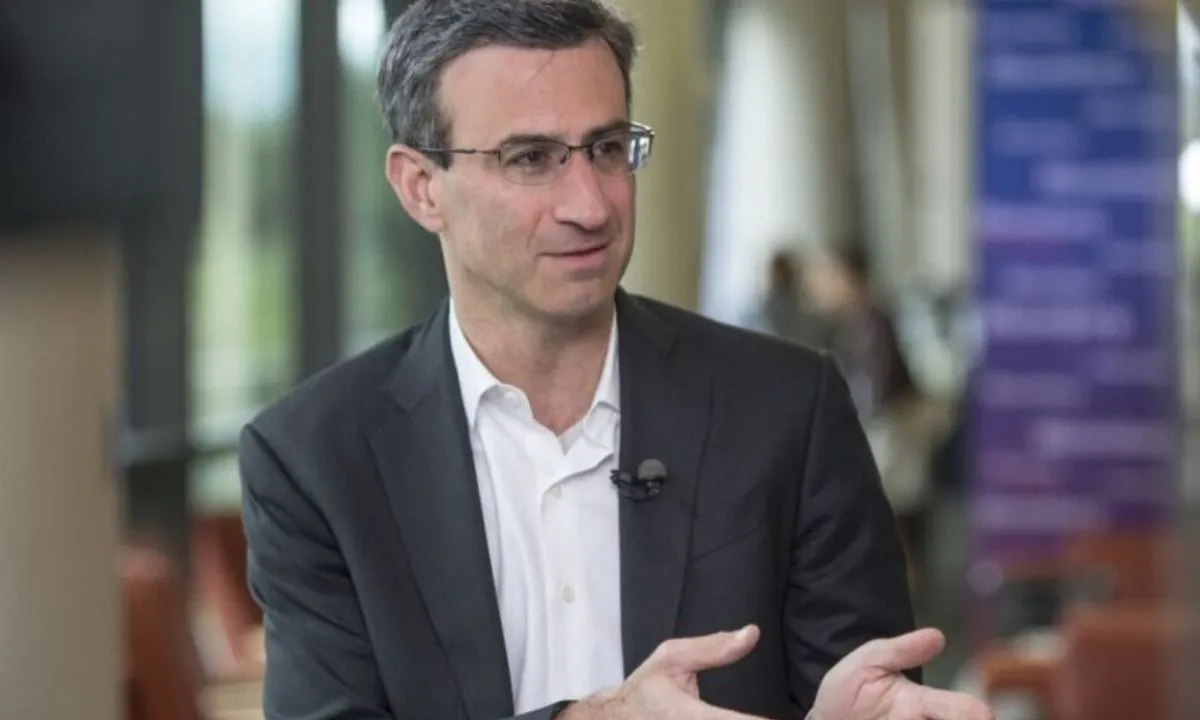
What you see when you look at recent photos of Orszag is a naturally receding hairline, more prominent at the temples, with thinning visible at the crown. It’s the kind of hair loss that’s perfectly common in men his age, and frankly, he carries it with more dignity than most.
What Photos Across Different Years Actually Show
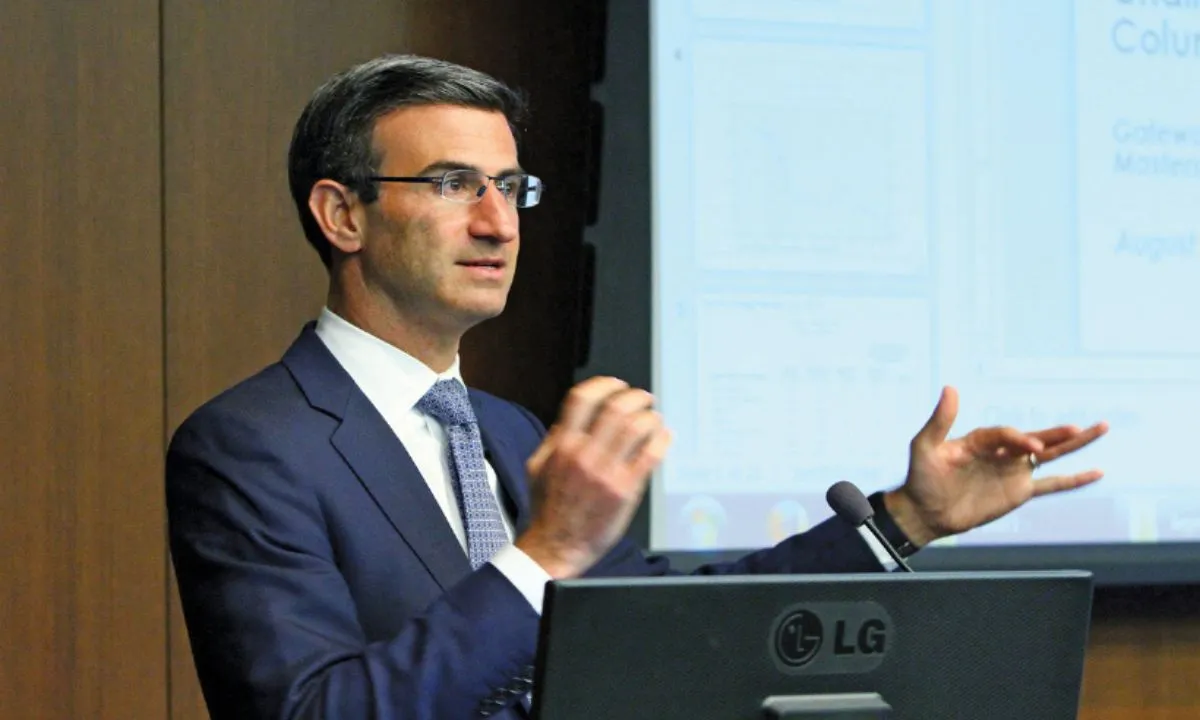
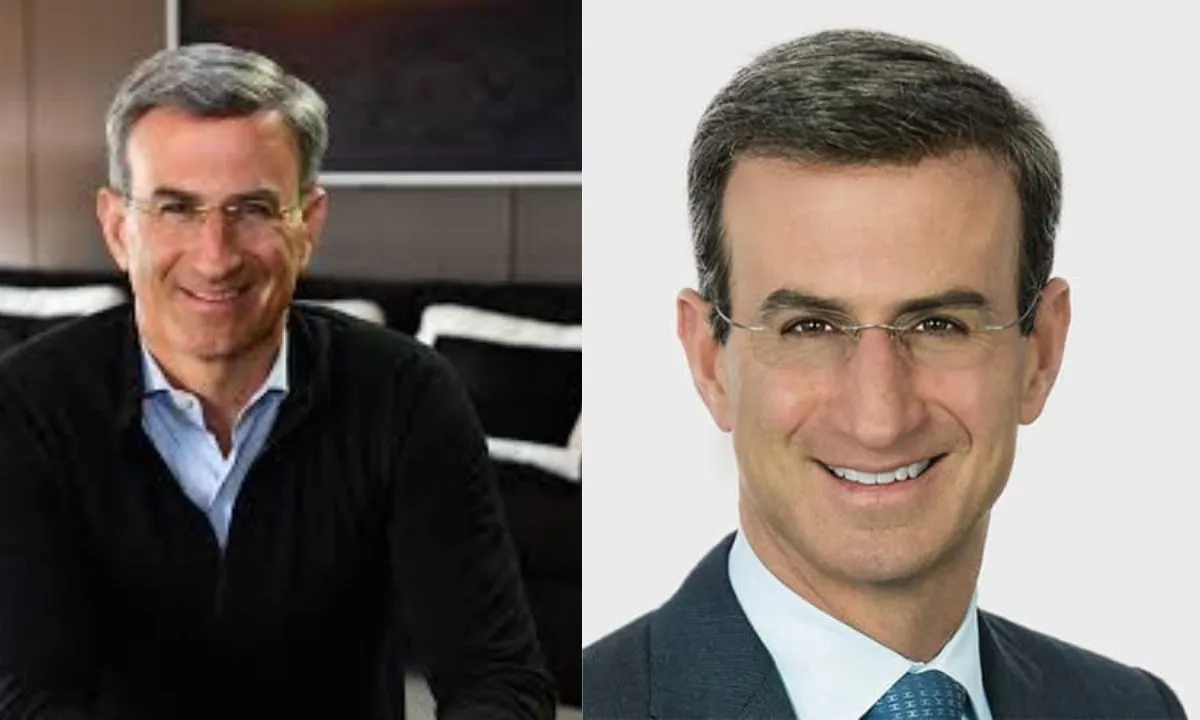
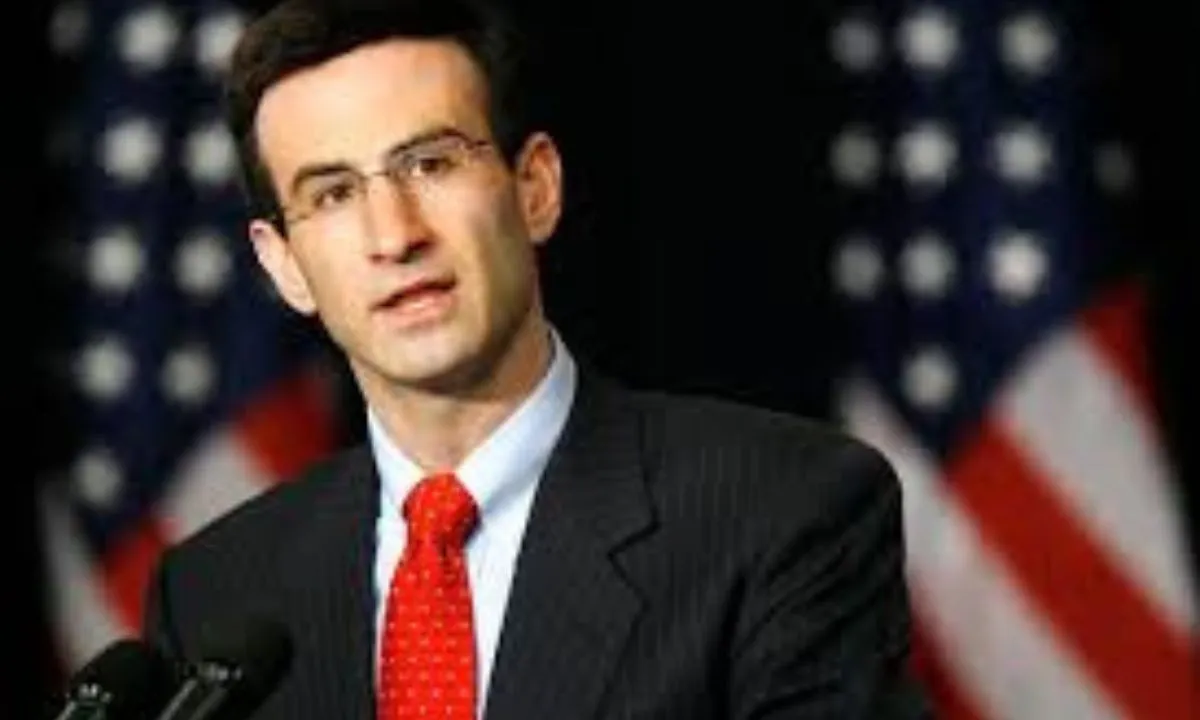
The early White House photos from 2009 show a man with a visibly thinning hairline, but still with meaningful coverage across the top. By the Citigroup years, the recession had progressed noticeably. In recent photos as Lazard CEO, the hairline is well back, and the crown is thinner – but it’s still his own hair, and it still looks kempt and deliberate.
He’s not a man trying to hide anything. He combs what he has, keeps it neat, and walks into rooms full of powerful people without appearing to lose a single second of sleep over it. That’s worth something.
Norwood Scale – What Stage of Baldness Does He Have?
The Norwood-Hamilton Scale is the standard medical classification for male pattern baldness, ranging from Stage I (no visible loss) to Stage VII (complete loss except for a band around the sides). Based on publicly available photos, Peter Orszag appears to fall at approximately Stage III-IV.
| Norwood Stage | Description | Visual Impact |
|---|---|---|
| Stage I | Minimal recession at temples | No visible change |
| Stage II | Slight hairline retreat | Still full-looking |
| Stage III | Temples clearly receding | First noticeable thinning |
| Stage IV | Crown begins to thin | Two distinct zones emerge |
| Stage V | Hairline and crown merge | Classic horseshoe pattern begins |
| Peter Orszag | Estimated Stage III-IV | Visible recession, crown still present |
Bald vs Thinning – Understanding the Real Difference
Bald means the hair follicles are gone – the scalp is visible, smooth, and permanent. Thinning means the follicles are still there, still producing hair, but at reduced density. Orszag is in the thinning category. You can see scalp in certain lighting, but he has real hair, styled intentionally, covering his head.
The internet tends to reach for the word “bald” whenever a man’s hairline retreats past a certain point. It’s lazy shorthand. Peter Orszag is thinning, receding, and experiencing androgenetic alopecia. That’s different from bald, even if the search queries don’t care.
Peter Orszag Hair Timeline: 2009 to 2026
OMB Era (2009-2010) – White House Years
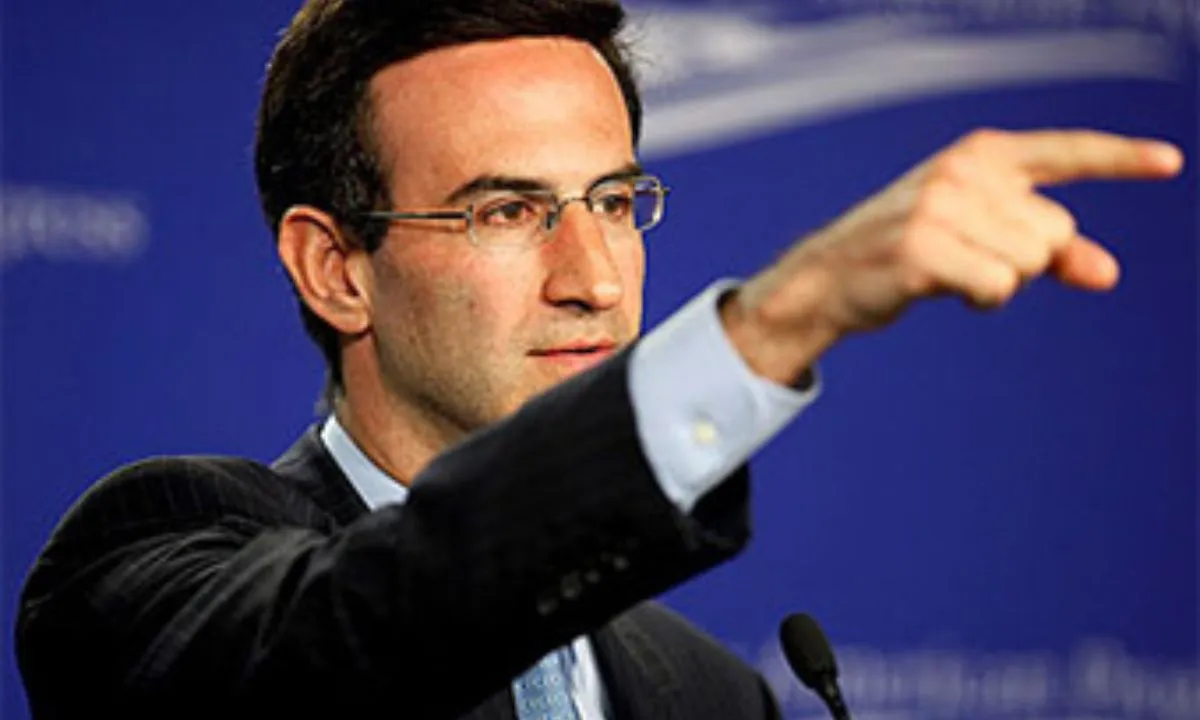
The photos from his time in the Obama White House show Orszag with a hairline that had already begun its retreat from his temples. He was 40 years old, standing in press briefings and budget meetings, and the thinning was visible but not yet dramatic. His hair was styled conservatively – short, neat, professionally unremarkable.
Interestingly, the Washington press corps spent more time writing about his romantic life than his hairline during this period. He was engaged to one woman while reportedly seeing another, which made far better tabloid copy than his fiscal policy views. The hair questions came later.
Citigroup Years (2011-2018) – Gradual Recession Becomes Visible
The jump from government to Wall Street coincided with the most visually noticeable phase of his hair loss. By the mid-2010s, conference circuit photos show a hairline significantly further back than his White House days. The crown was thinning more noticeably. He still wore his hair short and styled, but the territory being covered had clearly shrunk.
This is the period where search interest in “Peter Orszag bald” likely first picked up momentum. He was appearing at Davos, on CNBC, and in major financial publications – high-profile visibility at exactly the time his hair was changing most visibly.
Lazard CEO Era (2019-2026) – Current Appearance
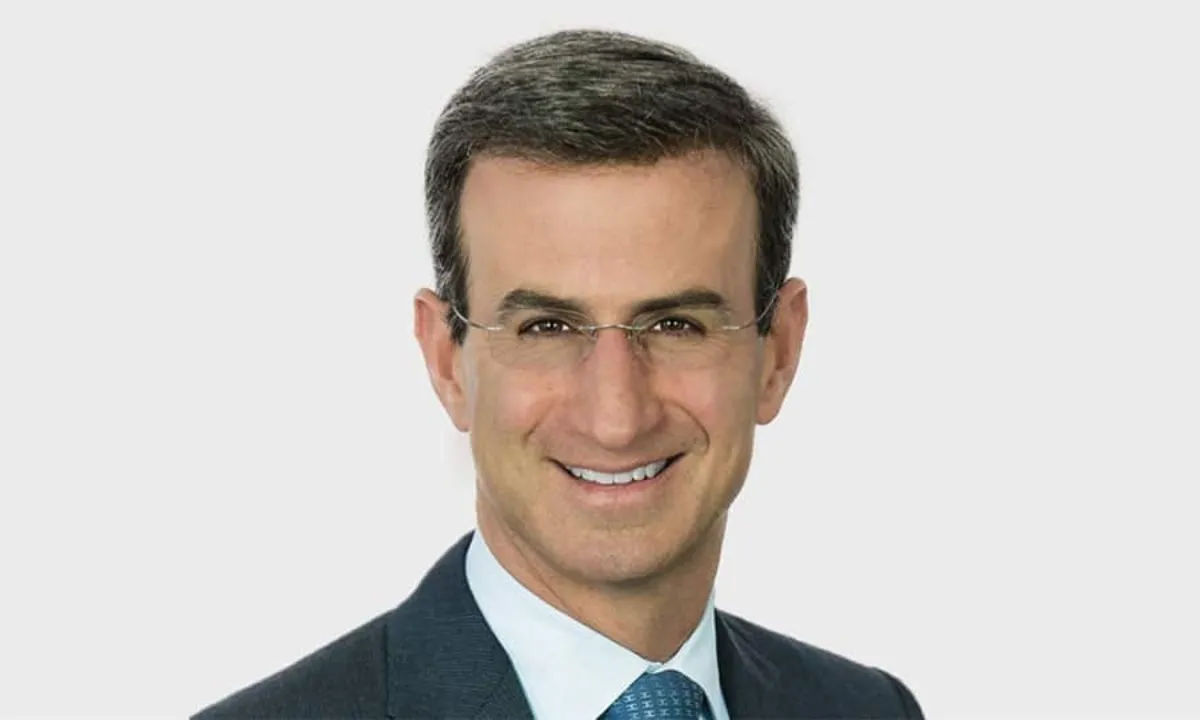
As CEO of Lazard, Orszag appears frequently in business media, at investor conferences, and in official corporate photos. His current look shows a well-receded hairline, thinning crown, but hair that is clearly maintained and styled. He’s not hiding anything. He’s not performing anything. He just looks like a confident man in his late fifties who has made peace with his scalp.
Honestly, the Lazard-era Orszag looks more authoritative, not less. There’s something about embracing your appearance rather than fighting it that reads as confidence in a boardroom setting.
The Science of Male Pattern Baldness
Androgenetic Alopecia – Causes, Genetics, and DHT Explained Simply
Male pattern baldness – the medical term is androgenetic alopecia – is driven by genetics and a hormone called dihydrotestosterone (DHT). DHT is a derivative of testosterone, and in men with a genetic predisposition, it binds to hair follicles and gradually miniaturizes them. The follicles shrink, produce thinner and shorter hairs over time, and eventually stop producing visible hair altogether.
The genetic component is inherited from both parents, not just the mother’s side as the old myth suggests. If your father had significant hair loss, and your maternal grandfather did too, the odds stack up against you. It’s not a character flaw or a lifestyle choice. It’s simply biology expressing itself.
At What Age Does Male Pattern Baldness Typically Begin?
Earlier than most people realize. Studies suggest that roughly 25% of men begin experiencing visible hair loss before age 30. By 50, that number climbs to around 50%. By 70, approximately 80% of men show some degree of androgenetic alopecia. Peter Orszag, experiencing noticeable thinning in his forties, is statistically right in the middle of the curve.
Does Stress Accelerate Hair Loss in High-Pressure Careers?
The research on stress and hair loss is more nuanced than most headlines suggest. Chronic, severe stress can trigger a condition called telogen effluvium – where a large number of hair follicles simultaneously shift into their resting phase, causing notable shedding. However, this is usually temporary and distinct from pattern baldness.
For men with a genetic predisposition to androgenetic alopecia, there’s evidence that high cortisol levels may speed up the miniaturization process. Running the Office of Management and Budget during a financial crisis – which Orszag did in 2009 – is about as high-cortisol as careers get. Whether that played any role in his hair loss progression is impossible to say, but it’s not an unreasonable question.
Does Peter Orszag Wear a Wig? Rumors Properly Debunked
This question deserves a straightforward answer: No, Peter Orszag does not wear a wig or toupee. The rumors exist because the internet is the internet, but the evidence points clearly in one direction.
5 Signs That Confirm His Hair Is Natural, Not a Wig
- Natural hairline variability – his hairline shows the irregular, skin-visible recession pattern of real genetic hair loss, not the uniform edge of a hairpiece.
- Consistent thinning over decades – wig-wearers don’t show gradual thinning in archival photos; his hair has changed progressively since 2009.
- No telltale hairline irregularities – high-definition photos from TV appearances show no edge definition, adhesive lines, or density mismatches.
- Wind and outdoor photos – outdoor event photos from various angles show natural hair movement and scalp visibility consistent with thinning, not artificial coverage.
- His own styling choices – he styles his hair in a way that works with the thinning, not against it; someone wearing a wig would likely choose a fuller-looking piece.
Has He Had a Hair Transplant? What the Evidence Shows
There’s no public evidence that Peter Orszag has undergone a hair transplant. His hairline has consistently receded over the years – a post-transplant hairline typically shows a denser, more uniform front edge. His gradual, natural-looking progression over 15+ years of public life doesn’t match a transplant pattern.
That said, no one can say with complete certainty without medical records. What can be said is that nothing in his appearance suggests intervention, and everything suggests natural progression.
Why the New York Observer Called Him “Toupee Titan of New York”
Back in the early 2010s, the New York Observer ran a somewhat tongue-in-cheek profile that referenced Orszag’s hair situation in colorful terms. The piece leaned into the speculation about his appearance as part of a broader profile of his flashy post-government life.
It was media sport, not journalism. The “Toupee Titan” nickname was mockery dressed up as observation, and it says more about New York media culture than it does about Peter Orszag’s actual hair.
What Did Hair Expert Joseph Paris Say About Peter Orszag?
Back in 2010, the New York Observer did something no mainstream outlet had done before. They asked an actual expert.
Joseph Paris — a legendary Madison Avenue hairpiece maker with decades of experience — took one look at Peter Orszag and did not hold back.
He described Orszag’s hair as looking like “a furry suitcase balanced on the top of his head.” That quote went viral in Washington circles instantly.
Paris did not stop there. He shared his professional theory on exactly what Orszag might be using.
How the Medical Adhesive Bonding Technique Works
Here is how it works. An ultra-thin lace hair system is glued directly to the scalp using medical-grade adhesive along the perimeter. Once applied, it stays locked in place for weeks. You can shower in it. Swim in it. Run a half-marathon in it. Nothing moves.
That explains why his hair looks unusually uniform and perfectly in place across every public appearance — TV interviews, Davos panels, CNBC segments — year after year without variation.
| Method | How It Works | Paris’s Verdict |
|---|---|---|
| Classic Toupee | Clip-on hairpiece, removable daily | Ruled out — too unstable for public life |
| Full Wig | Covers entire scalp | Ruled out — sideburns blend too naturally |
| Medical Adhesive Bonding | Lace system glued to scalp, lasts weeks | Most likely — Paris’s top theory |
| Natural Thinning | Androgenetic alopecia, no intervention | Possible but hair appears unusually full |
Has Orszag Ever Responded to Joseph Paris?
Not once. Orszag ignored the entire conversation and went back to running a global investment bank. No statement. No denial. No confirmation.
Whether Paris is right or wrong, his analysis remains the most credible expert opinion on record. And “furry suitcase” remains one of the more memorable hairpiece descriptions in the history of Washington gossip.
Hair Treatment Options: What Could He Have Done?
Minoxidil and Finasteride – The Two Most Common Treatments
Minoxidil (sold as Rogaine) is a topical treatment applied directly to the scalp. It works by increasing blood flow to follicles and extending the growth phase of the hair cycle. It doesn’t regrow lost hair dramatically, but it can slow the loss and sometimes thicken existing hairs. Results vary significantly between individuals.
Finasteride (Propecia) is an oral medication that blocks the conversion of testosterone to DHT – the hormone responsible for follicle miniaturization. It’s more effective than Minoxidil for slowing pattern baldness, but it comes with potential side effects including sexual dysfunction in a minority of users, which makes many men hesitant.
Hair Transplant Surgery – Cost, Results, and Candidacy
Modern hair transplant techniques – primarily Follicular Unit Extraction (FUE) – have come a long way from the obvious “plug” results of earlier decades. A skilled surgeon can redistribute follicles from denser areas at the back of the scalp to thinning areas at the front and crown. Results can look genuinely natural.
Costs range from $10,000 to $30,000 or more depending on the extent of coverage needed. For someone with Orszag’s financial resources, cost is obviously not a barrier. The question is always whether the individual wants to pursue it – and by all appearances, he doesn’t.
Why Choosing to Do Nothing Is Also a Respected Choice
Hair loss is normal, common, and carries zero health risk. The billion-dollar hair restoration industry profits from insecurity, not medical necessity. Peter Orszag has not, as far as anyone can tell, pursued any of these interventions. He’s let his hair do what it does while getting on with one of the most distinguished careers in American economic policy. That’s not a failure to act. That’s a man who has his priorities straight.
Peter Orszag’s Hairstyle: Breaking Down His Signature Look
Cut, Texture, Length, and Styling Approach
Orszag wears his hair short – typically a side-parted style with a conservative cut that suits the boardroom environments he inhabits. What remains of his hair at the front and sides is kept trimmed close, which is genuinely the smartest approach for a man with his hair situation. Longer hair on a receding, thinning head tends to emphasize the loss. Short and neat minimizes it.
The texture looks fine and slightly soft. There’s no dramatic product use visible – no hard hold, no obvious styling agent. It’s the hair of a man who spends three minutes on it in the morning and walks out the door. Which is probably accurate.
How His Look Compares to Other Washington Economists
| Public Figure | Role | Hair Status | Public Perception |
|---|---|---|---|
| Peter Orszag | Lazard CEO / Economist | Thinning – receding hairline | Respected, serious, credible |
| Larry Summers | Harvard Prof / Ex-Treasury Sec | Noticeably thinning | Brilliant but controversial |
| Ben Bernanke | Ex-Fed Chair | Thinning, greying | Stable, trusted steward |
| Timothy Geithner | Ex-Treasury Secretary | Full hair, darker | Polished, political |
| Jeff Bezos | Amazon founder / Blue Origin | Fully bald | Dominant, visionary |
Why Classic Low-Maintenance Styles Work Best for Executives
In high-stakes professional environments, an overly styled appearance can actually work against you. It signals that you’re paying attention to the wrong things. The most effective executives tend to present themselves in ways that are polished but not fussy.
Orszag’s hair, thinning as it is, fits exactly this model. Nobody walks away from a Peter Orszag meeting thinking about his hair. They walk away thinking about the macroeconomic argument he just made. That’s the point.
Successful Bald and Thinning Public Figures – Peter Orszag Is Not Alone
Jeff Bezos, Larry Summers, Bruce Willis – The Confidence Effect
The roster of men who have achieved remarkable things while losing their hair is, frankly, remarkable. Jeff Bezos embraced total baldness as he built the world’s largest retailer and a private space company. Bruce Willis turned a shaved head into part of his brand. Larry Summers has been openly thinning for decades without it ever undermining his intellectual credibility.
What these men share is not exceptional hair. It’s exceptional confidence. They don’t apologize for their appearance, and as a result, nobody expects them to. Orszag fits this group naturally.
Research: Does Baldness Affect How Leaders Are Perceived?
There’s actually some interesting research on this. A 2012 study published in Social Psychological and Personality Science found that men with shaved heads were perceived as more dominant, stronger, and more masculine than men with full hair. Other research has suggested that bald men are sometimes perceived as more mature and authoritative in professional contexts.
The takeaway isn’t that hair loss is a career advantage – that would be pushing the data too far. But it’s clearly not the professional liability that male anxiety around the subject might suggest. In high-authority roles, a receding hairline often reads as maturity rather than decline.
Why People Relate to Thinning Leaders – The Psychology of Authenticity
There’s something quietly powerful about seeing a public figure who hasn’t fixed something fixable. In an age of filtered Instagram photos and carefully managed public images, a man who simply goes about his work without addressing an obvious cosmetic “flaw” sends a subtle message: I’m not performing for you.
Millions of men experience hair loss. When they see someone in a position of genuine authority – CEO of Lazard, architect of federal budget policy – who looks like them, it normalizes something that the media and advertising industries have spent enormous resources making people feel bad about.
Hair and Executive Image – What Peter Orszag’s Look Communicates
How Consistent Grooming Builds Long-Term Public Trust
Consistency in personal presentation signals reliability. It might sound superficial, but humans read physical cues constantly and often unconsciously. Peter Orszag has looked essentially the same – well-groomed, conservatively dressed, professionally understated – throughout his public career. That consistency builds a kind of visual trust over time.
Has He Ever Publicly Commented on His Hair or Baldness?
To the best of public knowledge, Peter Orszag has never directly addressed questions about his hair in interviews or public statements. He doesn’t address it because he doesn’t think it warrants addressing. And honestly, given the caliber of things he spends his time thinking about, that seems like the correct judgment.
Peter Orszag Personal Life: Wife, Children and Family
Who Was Peter Orszag’s First Wife? – Cameron Hamill
Peter Orszag’s first wife was Cameron Hamill. The two married in 2001 and divorced in 2006. They had two children together during their marriage. The divorce was quiet by Washington standards – no public drama, no high-profile legal proceedings that made the news.
What made Orszag’s personal life significantly more tabloid-friendly was what happened after the divorce. While he was dating Bianna Golodryga – who would become his second wife – a former girlfriend named Claire Milonas gave birth to his daughter in 2009. He publicly acknowledged paternity. By Washington standards, where personal scandals can end careers, he handled it with relative directness and moved on.
Current Wife Bianna Golodryga – Their Story
Bianna Golodryga is a prominent journalist and television anchor, most recently known for her work at CNN. She and Orszag married in 2010. Their relationship drew attention partly because of its timing – the tabloids were mid-circus over the paternity story when they announced their engagement – but the marriage has clearly been the genuine article.
Golodryga graduated from the University of Texas at Austin with a degree in Russian/East European and Eurasian Studies and a minor in economics. She was 32 years old at the time of their September 2010 wedding – Orszag was 41. The ceremony was held at Capitale, a celebrated event space in New York City, and was officiated by Rabbi Sarah H. Reines. Beyond her journalism career, Golodryga is an accomplished endurance athlete – she completed the Boston Marathon and earned the prestigious Abbott Six Star Medal, awarded to runners who finish all six World Marathon Majors.
By all accounts, they are a Washington-media power couple in the genuine sense: two accomplished, highly visible professionals who built a family while maintaining serious independent careers. They have two children together.
Peter Orszag’s Son and All Five Children – The Complete Picture
Peter Orszag is a father of five children in total:
- Two children with first wife Cameron Hamill (married 2001-2006).
- Tatiana Zoe Orszag – daughter with Claire Milonas, born November 17, 2009. Paternity was publicly acknowledged. Friends at the time noted that Orszag had ended his relationship with Milonas approximately eight months before learning of the pregnancy.
- Two children with current wife Bianna Golodryga (married 2010).
In 2014, a judge ruled in Orszag’s favor in a child support case brought by his first wife. The court determined that the children from his first marriage were living appropriately in both homes, citing their Georgetown Day School attendance, Hawaii vacations, and private sports coaches as evidence of a comfortable lifestyle in each household.
Peter Orszag Net Worth, Salary and Income Sources (2026)
Net Worth Table – Full Income Sources Breakdown
| Income Source | Estimated Amount |
|---|---|
| Lazard CEO Compensation | $15-20 million/year (salary + bonus + equity) |
| Citigroup (2011-2018) | Senior advisory role – est. $10-15M/year |
| Speaking & Writing Fees | $50,000-$100,000 per keynote address |
| Board Memberships | Multiple corporate boards – undisclosed |
| Investments & Assets | Real estate, financial instruments |
| Total Estimated Net Worth | $65-80 million (2026) |
How Much Does Peter Orszag Make? Lazard CEO Salary Revealed
As CEO of one of the world’s most prestigious independent investment banks, Orszag’s total annual compensation is estimated at $15 to $20 million per year – including base salary, performance bonuses, and equity awards. That’s a substantial upgrade from his government salary of approximately $175,000 at OMB.
Exact Salary Breakdown (Publicly Available Filings):
- 2025 total compensation: $13.72 million – comprised of a $900,000 base salary, a $3.90 million cash bonus, and $8.67 million in stock awards.
- Peak year 2023: Total compensation reached $30.83 million (driven by $25.80 million in stock awards alongside a $787,500 salary and $4.16 million bonus).
- Share ownership: Directly owns approximately 210,942 shares of Lazard Inc., valued at over $10 million.
- 2025 trading activity: Sold 581,587 shares for approximately $12.19 million.
- Most recent transaction: Sale of 69,170 shares in March 2026 generating approximately $3 million.
Net Worth Comparison with Peer Economists
Among former senior economic policymakers, Orszag’s net worth is solidly in the top tier. Timothy Geithner moved into private equity after Treasury and has built comparable wealth. Larry Summers, who returned to Harvard and consulting, is estimated in similar ranges. Ben Bernanke, who left the Federal Reserve for Brookings before later joining Citadel as an advisor, has followed a similar post-public-service financial arc.
The pattern is consistent: serious policy talent, once it leaves government, commands extraordinary private sector premiums. Orszag has simply been at this longer than most.
What Is Peter Orszag Doing in 2025-2026?
Orszag continues to serve as CEO of Lazard, leading the firm’s global advisory and asset management operations. He also writes and speaks publicly on fiscal policy, healthcare economics, and the long-term trajectory of US federal debt – subjects he’s been thinking about since the 1990s. He remains a regular presence at major forums including Davos and various Federal Reserve regional events.
Peter Orszag Awards, Notable Works and Achievements
Key Publications – New York Times, Brookings, Foreign Affairs
Orszag has published widely across his career. His work on the economics of healthcare – particularly the argument that healthcare cost growth, not just demographic aging, is the primary driver of long-term US fiscal imbalance – influenced the design of the Affordable Care Act. He contributed regularly to The New York Times as a columnist. His Brookings Institution research during the late 1990s and early 2000s helped establish him as a serious voice on Social Security and budget policy.
Role in Shaping the Affordable Care Act’s Economic Framework
This is probably Orszag’s most durable policy legacy. As OMB Director during the drafting of the ACA in 2009-2010, he pushed hard for provisions designed to slow the growth of healthcare costs – not just expand coverage. The Independent Payment Advisory Board, the Center for Medicare and Medicaid Innovation, and various value-based payment pilots all bear his intellectual fingerprints.
Whether you agree with the ACA or not, the economic architecture Orszag helped build represented a serious attempt to address what he correctly identified as the central long-term fiscal challenge facing the United States. That’s a real contribution, regardless of what you think about the politics.
Why Do People Search “Peter Orszag Bald”?
The Media Exposure Cycle That Made His Hairline Searchable
Peter Orszag became nationally visible at exactly the moment when online media was developing its appetite for celebrity-style coverage of political figures. His White House years – 2009 to 2010 – coincided with the early era of political celebrity journalism, when outlets discovered that readers wanted to know about the personal lives and appearances of policy wonks in ways they hadn’t before.
His personal life provided drama that amplified his visibility. The paternity story, the high-profile second marriage to a television journalist, the move to Wall Street – each chapter kept him in the news cycle past the natural expiry of his policy role. And each news cycle brought new readers who googled his name and found, among the serious policy pieces, questions about his hair.
Research confirms that physical appearance genuinely shapes public perception of authority figures. An MIT study found that voters worldwide show striking agreement on what constitutes a credible-looking leader. When shown photos of political candidates, US and Indian participants agreed on the same candidate approximately 75% of the time, while agreement with Mexican participants reached 80%. This cross-cultural consistency in appearance-based judgments helps explain why public figures’ looks trigger such persistent online curiosity.
Why Millions Relate to Hair Loss – The Deeper Emotional Reason
Here’s what the search volume is really about: it’s not Peter Orszag specifically. It’s the 50 million American men experiencing some form of hair loss who google versions of this question wearing different names. When they see a man like Orszag – successful, respected, clearly not defined by his hair – there’s reassurance in that.
The searches are partly about Orszag and mostly about the searchers. Hair loss sits at an uncomfortable intersection of aging, masculinity, self-image, and societal pressure. Finding evidence that a man can lose his hair and still occupy the most powerful rooms in the world – that’s not trivial information for a 35-year-old noticing his temples for the first time.
Frequently Asked Questions
Is Peter Orszag completely bald?
No. Peter Orszag has a naturally receding hairline and visible thinning, particularly at the temples and crown, but he is not bald. His hair loss falls in the Stage III-IV range on the Norwood Scale – significant recession, but real hair still present.
Does Peter Orszag wear a wig or toupee?
No. His hair shows the consistent, gradual recession pattern of natural androgenetic alopecia over 15+ years of public life. There are no visual indicators of a hairpiece in any publicly available photos or video footage.
What stage of baldness does Peter Orszag have?
Based on publicly available photos, he appears to be at approximately Stage III-IV on the Norwood-Hamilton Scale – significant temple recession and some crown thinning, with hair still present across most of the scalp.
Has Peter Orszag had a hair transplant?
There is no public evidence of a hair transplant. His hairline has receded progressively over time – which is inconsistent with transplant results. All available evidence points to natural, untreated hair loss.
What is Peter Orszag’s religion?
Peter Orszag is Jewish. His surname reflects Hungarian-Jewish heritage, and his cultural identity is Jewish, though he is not publicly observant in a prominent way.
Is Peter Orszag Hungarian?
His surname “Orszag” is of Hungarian-Jewish origin. His family heritage includes Eastern European Jewish roots, but he was born and raised in Boston and is American.
Who is Peter Orszag married to?
Peter Orszag is married to Bianna Golodryga, a journalist and television anchor. They married in September 2010 at Capitale in New York City and have two children together. His first marriage was to Cameron Hamill (2001-2006).
What is Peter Orszag’s net worth in 2026?
His net worth is estimated at $65-80 million, built primarily through his compensation as CEO of Lazard and his earlier senior roles at Citigroup.
How much does the Lazard CEO make?
Peter Orszag’s total annual compensation as Lazard CEO is estimated at $15-20 million per year, including base salary, performance bonuses, and equity awards. In 2025, his verified total compensation was $13.72 million ($900K base + $3.9M cash bonus + $8.67M stock awards).
What is Peter Orszag doing now?
As of 2026, Orszag continues to serve as CEO of Lazard, leading the firm’s global advisory and asset management operations. He also writes and speaks publicly on fiscal policy, healthcare economics, and US federal debt.
Rizwan Sultan is a content writer with 4 years of experience covering USA celebrities’ net worth and biographies. He specializes in clear, research-driven profiles and currently contributes engaging, accurate content to CelebInfoHub, helping readers understand the stories behind fame and financial success.