

Peter Orszag isn’t bald. That’s the short answer, and we’ll prove it with facts, not guesses.
But the question keeps popping up. So let’s settle it properly — with real details about the man behind the headlines.
Who Is Peter Orszag?
Peter Richard Orszag runs one of the world’s most respected financial institutions today. He’s the CEO of Lazard Inc., a role he stepped into in 2024 after building a career most economists only dream about.
Born on December 16, 1968, in Boston, Massachusetts, he grew up sharp and driven. His father, Steven Orszag, was a mathematician — brains clearly run in the family.
Before finance, Orszag spent years shaping American economic policy. He led the Congressional Budget Office. He directed the Office of Management and Budget under President Obama, working out of Washington during some of the most consequential budget fights in recent memory. Few people move between government and Wall Street this smoothly, and honestly, that’s what makes his story worth telling.
Early Life and Education Background
Princeton University shaped Orszag’s early thinking, where he graduated Phi Beta Kappa — one of the highest academic honors a student can earn. That foundation still shows in how he approaches problems today.
He attended Phillips Exeter Academy before Princeton, graduating in 1987. Smart kid, clearly headed somewhere big. He spent 1991 to 1992 finishing his Princeton degree before heading overseas.
From there, things moved fast. He earned a Marshall Scholarship to study at the London School of Economics, completing his Ph.D. in economics by 1997. That combination — Ivy League plus international academic rigor — gave him credibility most policy advisors never get. He later returned to academic circles as a guest lecturer at MIT, sharing what he’d learned in government with the next generation of economists.
His education wasn’t just impressive on paper. It built the analytical toolkit he’d later use to reshape federal budget forecasting. That’s not a small achievement.
Current Role as Lazard CEO
Orszag became CEO of Lazard in 2024, taking the reins of a firm with global reach in investment banking and asset management. This wasn’t a random career jump — he’d already spent years there.
He joined Lazard back in April 2019 as Vice Chairman of Investment Banking and Head of North American M&A. By October 2023, he’d moved up to Global Co-Head of Healthcare, working on some of the biggest deals in that sector. Before Lazard, he spent time at FTI Consulting Inc., sharpening the restructuring and advisory skills he’d later rely on.
Under his leadership now, Lazard manages significant assets and continues advising governments and corporations on major financial decisions. It’s a demanding job — and one he seems built for, honestly.
Major Government Positions Held
Peter Orszag ran the Congressional Budget Office from 2007 to 2008, one of the youngest directors in its history. That job alone would define most careers. For him, it was just the beginning.
President Obama then pulled him into the White House. He led the Office of Management and Budget starting in 2009, staying until September 2010. During that stretch, he helped shape the Affordable Care Act’s financial framework and pushed through budget priorities during a brutal recession — work that involved projecting figures as large as $200 billion in federal spending impacts.
Before all this, he worked as Special Assistant for Economic Policy and sat on the Council of Economic Advisers, often coordinating closely with the Federal Reserve on monetary and fiscal alignment. His mentor during those early Washington years, economist Alice Rivlin, helped shape his approach to budget analysis. Government work built his reputation. Wall Street later cashed in on it.
Is Peter Orszag Actually Bald?
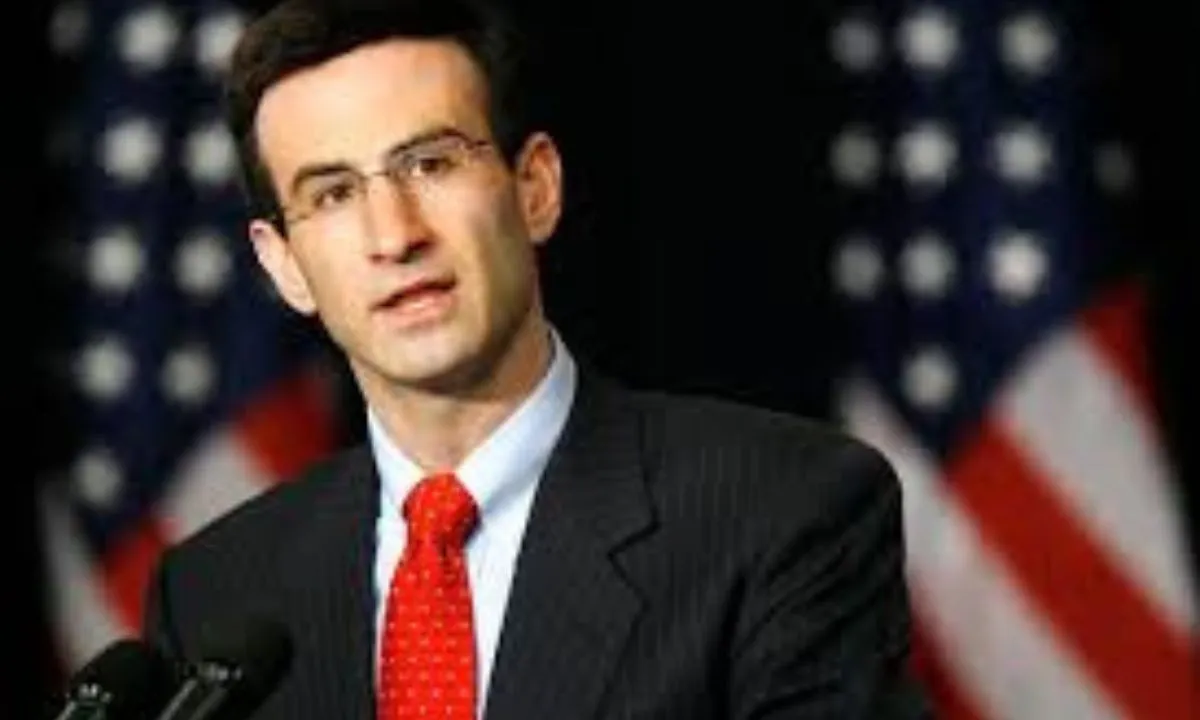
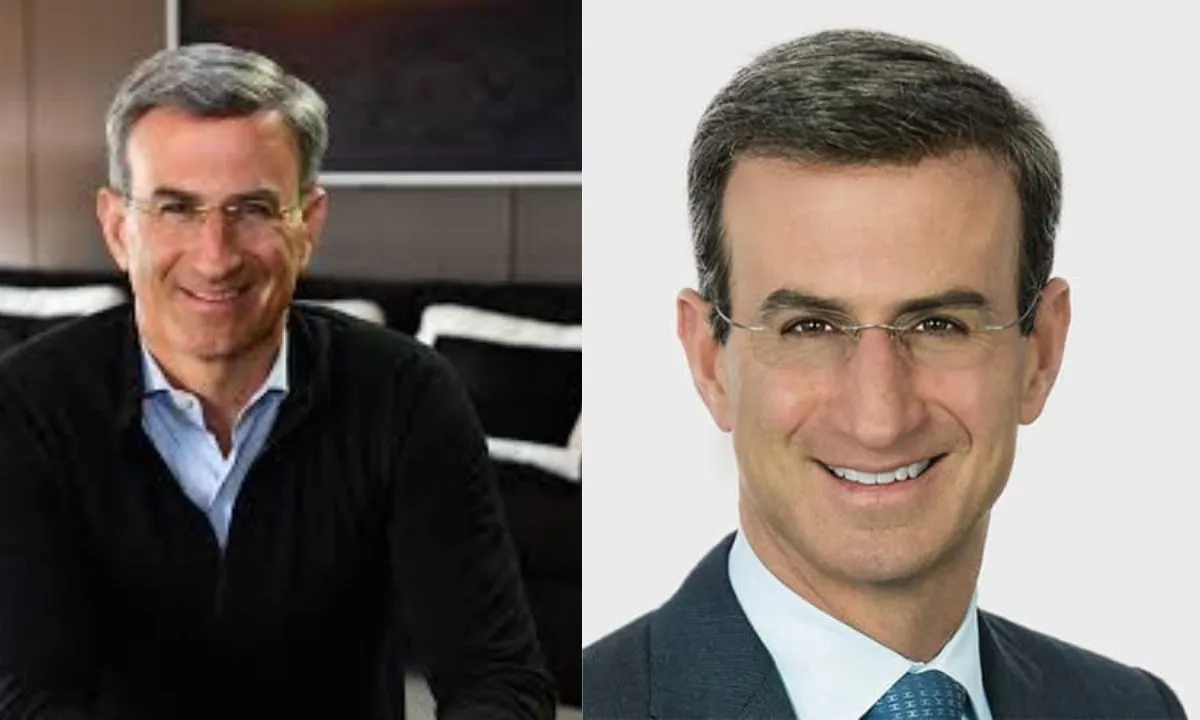
No — Peter Orszag has hair. Thinning in places, sure, but not bald. People just assume the worst from a few bad photos.
This whole thing started online, the way most celebrity rumors do. Someone posted a blurry screenshot. Others ran with it. Nobody checked properly.
Look at recent interviews or Lazard press photos, though, and the picture gets clearer. His hairline has receded some with age — completely normal for a man in his fifties. That’s aging, not baldness. There’s a real difference, and we’ll get into exactly what separates the two next.
The Direct Answer About His Hair
Peter Orszag has natural hair, just thinner than it was twenty years ago. That’s the whole story.
No wig. No hairpiece. No dramatic transformation photos hiding some big secret. Just normal male pattern thinning that happens to plenty of men his age.
Camera angles and studio lighting exaggerate scalp visibility more than people realize. A slightly overhead shot under harsh lighting can make anyone’s hairline look thinner than it actually is. Add grainy TV footage into the mix, and confusion spreads fast — especially when nobody bothers to look at a clear, close-up photo.
Why People Think He’s Bald
Search trends don’t lie — “Peter Orszag bald” spikes every time he appears on CNN or ABC. Viewers watch, get curious, and start typing questions into Google.
Blame it partly on television lighting. Studio setups use harsh overhead lights that flatten hair volume and expose scalp more than natural daylight ever would. It’s an optical trick, not reality.
Then there’s the comparison problem. People remember younger photos from his CBO or OMB days and stack them against recent Lazard appearances, or even a Good Morning America segment where studio lights washed out his hairline completely. Fifteen years of natural aging looks dramatic side by side. That gap fuels speculation, even when nothing unusual actually happened.
Understanding Visual Confusion from Lighting and Cameras
Camera angles genuinely distort how hair looks — this isn’t speculation, it’s basic photography. A high-angle shot exaggerates thinning spots that barely show from eye level.
Studio lighting makes things worse. Bright, direct light bounces off the scalp and creates a shine that reads as “bald” to a quick glance. Softer, side lighting tells a completely different story.
Google Trends data backs this up too. Search spikes for “Peter Orszag hair” cluster right after major TV appearances, not random online browsing. That timing pattern says everything. People react to lighting artifacts, then go searching for answers that photography alone created.
How His Appearance Changed Over Time
Peter Orszag’s hair has thinned gradually since his CBO years — nothing sudden, nothing suspicious. Just normal aging playing out over roughly two decades.
Compare 2007 photos to 2026 appearances and yes, there’s a visible difference. His hairline sits higher now. His hair density has dropped some at the crown. That’s what happens to most men crossing into their fifties.
There’s no evidence of hair transplants, wigs, or dramatic interventions. No hair restoration clinic has claimed him as a client either. What you’re seeing is just Peter Orszag aging like everyone else does — publicly, under constant camera scrutiny, with zero privacy about it.
Peter Orszag Career and Net Worth
Quick Fact: Peter Orszag’s estimated net worth in 2026 is between $25 million and $30 million, built through his Lazard CEO compensation, stock awards, and prior government-to-finance career earnings.
Peter Orszag’s net worth sits around $30 million in 2026, built through decades of high-level finance and government work. That’s not overnight wealth — it’s a career-long payoff.
His income streams stack up fast. Lazard compensation includes base salary, performance bonuses, and stock awards worth millions combined — with individual bonus packages reportedly reaching $10 million in strong years. Add advisory work and speaking engagements on top of that.
Government service never paid this well, obviously. But it built the reputation that made his private-sector jump so lucrative. Public policy credibility opens doors that pure Wall Street backgrounds usually can’t.
Key Career Milestones
Peter Orszag’s career reads like a checklist of major institutions, each role building toward the next.
| Year | Milestone |
|---|---|
| 2007–2008 | Director of the Congressional Budget Office |
| 2009–2010 | Director of the Office of Management and Budget under Obama |
| 2016 | Joined Citigroup in a senior advisory capacity, following earlier restructuring work at FTI Consulting Inc. |
| April 2019 | Joined Lazard as Vice Chairman of Investment Banking |
| October 2023 | Named Global Co-Head of Healthcare at Lazard |
| 2024 | Became Chairman and CEO of Lazard |
Each step added weight to his name. Few economists move this cleanly between public service and private finance leadership.
Peter Orszag Net Worth in 2026
Net Worth Snapshot: $25 million – $30 million (2026 estimate)
Peter Orszag’s estimated net worth in 2026 lands between $25 million and $30 million, based on his Lazard compensation and prior earnings. That figure keeps climbing as Lazard stock performs well.
His CEO package includes a base salary plus significant equity incentives — common structure at major financial firms. Stock ownership means his wealth rises and falls somewhat with company performance.
Government salaries never came close to this. His OMB and CBO paychecks were modest by Wall Street standards. The real financial reward came later, once he moved fully into private finance and advisory work.
Income Sources and Lifestyle
Peter Orszag earns most of his income through his CEO role at Lazard, which includes base salary, bonuses, and stock awards. That combination adds up to millions yearly.
Beyond his day job, he picks up income from advisory work and occasional board positions, including recognition tied to his healthcare policy contributions from the National Academy of Medicine. Financial executives at his level rarely rely on one paycheck alone.
His lifestyle matches the role — private banking circles, high-level financial conferences, and a home base in New York City. Nothing flashy gets publicized, though. He keeps a fairly low profile for someone managing this much wealth and influence.
Personal Life and Family Details
Peter Orszag is married to Bianna Golodryga, a well-known CNN journalist. Their relationship blends two high-profile careers into one busy household.
They married in 2016, years after both had already built solid reputations in their own fields. She covers global affairs and breaking news; he handles multi-billion-dollar deals. Different worlds, same spotlight.
Family life stays mostly private, which fits his general approach to publicity. Unlike some executives who chase media attention, Orszag seems content letting his work speak first.
Wife Bianna Golodryga
Bianna Golodryga works as a senior journalist at CNN, covering major global stories and breaking news segments. She’s built her own name entirely separate from her husband’s finance career.
She immigrated to the United States from Argentina as a child, later building a broadcast journalism career from the ground up. That’s not a small accomplishment in a famously competitive industry.
Together, she and Peter Orszag represent two different kinds of public visibility — hers through television, his through boardrooms. Their marriage connects journalism and high finance in a way few couples do.
Children and Family Structure
Peter Orszag and Bianna Golodryga are raising a blended family together, keeping most details away from public reporting. That’s a deliberate choice, not an accident.
Both had lives and careers established before their marriage in 2016. Combining households usually means combining family responsibilities too, and this couple handled that mostly outside the spotlight.
Neither of them discusses their children in interviews or public appearances much. Given how exposed their professional lives already are, that privacy boundary makes sense. Some things stay off-limits, even for public figures this visible.
Physical Profile and Personal Details
Peter Orszag stands at an average height for an American executive, with a build typical of someone balancing desk work and occasional travel. Nothing unusual there.
His grooming style stays simple — short, neat hair, minimal styling, standard business attire. That’s fairly typical for finance executives at his level, actually. Flashy isn’t the goal.
At 57 years old in 2026, his appearance reflects normal aging patterns. Some hairline recession, a few more lines on his face than a decade ago. Nothing that separates him from any other man his age in a demanding leadership role.
Why the Peter Orszag Bald Search Trend Exists
Search volume for “Peter Orszag bald” spikes because curiosity about public figures never really goes away online. People notice small changes and immediately start typing questions.
Google Trends data shows these searches cluster around his CNN or ABC appearances. Viewers watch, get curious about his hairline, then reach for their phones mid-broadcast.
This pattern isn’t unique to him, either. Any executive or public official who appears regularly on camera eventually faces the same scrutiny. Appearance becomes public property the moment someone steps into that kind of visibility — fair or not.
How Internet Search Trends Work
Google Trends tracks search spikes in real time, showing exactly when curiosity about someone peaks. For Peter Orszag, those spikes line up almost perfectly with TV appearances.
The pattern works like this: someone appears on camera, viewers notice something, they search immediately. Within hours, related search terms start trending across platforms.
Algorithms then amplify that curiosity further. Once “Peter Orszag bald” starts trending, search platforms suggest it to more people browsing similar topics. That’s how a single blurry screenshot turns into a full-blown search trend — momentum builds on itself fast.
Why Appearance Becomes a Topic for Public Figures
Public figures lose control over how their appearance gets discussed the moment cameras start rolling regularly. That’s just the trade-off for visibility.
Peter Orszag isn’t alone here. Politicians, CEOs, and TV personalities all face the same scrutiny once they’re recognizable enough. Viewers notice hairlines, weight changes, wardrobe choices — anything different from last time.
Frankly, it’s a strange kind of attention to earn. Most executives would rather be known for deal-making or policy work, not hairline speculation. But once someone’s face becomes familiar through repeated media exposure, appearance chatter becomes unavoidable — deserved or not.
Does His Hair Really Matter?
No, not really — Peter Orszag’s hairline has nothing to do with his professional record or capability. That should be obvious, but it needs saying anyway.
His career speaks for itself. Running the CBO, directing the OMB, now leading Lazard as CEO — none of that required a full head of hair. Competence and appearance are separate conversations entirely.
Judging a finance leader’s expertise by his hairline says more about internet culture than it does about him. Orszag’s track record involves federal budgets and billion-dollar deals, not styling choices. That’s what should actually matter here.
FAQs
Is Peter Orszag completely bald?
No, Peter Orszag isn’t bald. He has natural hair with some thinning at the crown, typical for a man his age.
Does Peter Orszag wear a wig?
No evidence supports this claim. Photos across different lighting and angles show natural hair growth, not a hairpiece.
What is Peter Orszag known for?
He’s known for leading the Congressional Budget Office, directing the Office of Management and Budget, and now running Lazard as CEO.
Who is Peter Orszag married to?
He’s married to Bianna Golodryga, a senior journalist at CNN covering global affairs and breaking news.
What is Peter Orszag’s net worth?
His estimated net worth in 2026 falls between $25 million and $30 million, built through his Lazard compensation and prior career earnings.
Why do people think Peter Orszag is bald?
Harsh studio lighting and unflattering camera angles during TV appearances create the illusion of significant hair loss that doesn’t match reality.
Did Peter Orszag’s hair change over time?
Yes, gradually. Comparing 2007 photos to recent appearances shows normal thinning — expected aging, not a dramatic transformation.
What roles did Peter Orszag hold in government?
He directed the CBO from 2007-2008, then led the OMB under President Obama from 2009-2010, working closely with the Federal Reserve on fiscal policy during that stretch.
What is Peter Orszag’s current job?
He currently serves as Chairman and CEO of Lazard, a global investment banking and asset management firm.
Why is Peter Orszag trending for hair searches?
His frequent CNN and ABC appearances trigger curiosity, and Google Trends data confirms searches spike right after broadcasts.
Who influenced Peter Orszag’s early career?
Economist Alice Rivlin mentored him during his early Washington years, shaping his approach to budget analysis at the CBO.
Conclusion
Peter Orszag isn’t bald. That’s the simplest, most accurate answer to a question that’s spiraled way past what the facts actually support.
His career tells a far more interesting story than his hairline ever could. From directing the Congressional Budget Office to leading the Office of Management and Budget, then building a second act as Chairman and CEO of Lazard — that’s a resume most professionals only dream about.
The “bald” speculation traces back to bad lighting and worse camera angles, nothing more. Studio setups distort scalp visibility constantly, and viewers rarely stop to check a clearer photo before typing their questions into Google.
What actually deserves attention here is the work. Billion-dollar deals, federal budget reform, decades of public service — that’s the real Peter Orszag story. His hairline is just noise.

Rizwan Sultan is a content writer with 4 years of experience covering USA celebrities’ net worth and biographies. He specializes in clear, research-driven profiles and currently contributes engaging, accurate content to CelebInfoHub, helping readers understand the stories behind fame and financial success.